Portugal trip for people aged 50 and over in 2026
Introduction and Outline for Planning a Portugal Trip in 2026
Portugal has become one of Europe’s most appealing destinations for travelers over 50 because it blends beauty with practicality. The country offers mild weather, manageable distances, strong tourism infrastructure, and a culture that values long meals, conversation, and unhurried discovery. For a 2026 trip, that combination is especially relevant if you want a journey that feels stimulating and comfortable rather than rushed, costly, or physically draining from day one.
That appeal is not just emotional; it is also logistical. Portugal is compact enough to let visitors combine major cities, seaside towns, and rural wine country in one trip without spending half their holiday in airports or on exhausting transfers. Lisbon and Porto are connected by fast rail in roughly three hours, the Algarve is accessible by train and domestic flight, and many destinations can be enjoyed with a slower rhythm than travelers often find in larger European itineraries. For people aged 50 and over, that matters. A well-planned trip is often less about seeing everything and more about seeing the right things well.
This article begins with an outline, then expands each point in detail so you can move from idea to itinerary with confidence. The focus is practical, but Portugal invites a little poetry too. It is the kind of place where a morning coffee becomes a conversation, a tiled façade becomes a history lesson, and a river view can quietly rearrange your schedule in the best possible way.
- Why Portugal is especially suitable for travelers over 50 in 2026
- Which regions and cities offer the best fit for different travel styles
- How to compare transport, accommodation, timing, and budget
- What health, comfort, and pacing considerations matter most
- How to shape a realistic itinerary for a week or a longer stay
Rather than push a one-size-fits-all route, the goal here is to help readers choose intelligently. Some travelers will want art museums, guided walks, and train-based convenience. Others will prefer ocean views, spa hotels, vineyard stays, or small towns where the loudest sound in the afternoon is cutlery on ceramic plates. Portugal can support all of those choices, which is precisely why it works so well for mature travelers who know their own pace and want a trip that respects it.
Why Portugal Works So Well for Travelers Aged 50 and Over
Portugal stands out because it offers many of the pleasures people associate with Europe without requiring the same level of logistical stamina as bigger, more fragmented destinations. The country is relatively small, its tourism network is well developed, and its most popular areas are connected in a way that allows travelers to reduce stress without sacrificing variety. For visitors over 50, this can mean fewer hotel changes, shorter transfer days, and more time actually enjoying the place instead of navigating it.
Climate is one of Portugal’s strongest advantages. Spring and autumn are especially attractive for mature travelers because temperatures are often comfortable enough for walking, sightseeing, and outdoor dining without the intense heat and crowds of peak summer. The Algarve and Madeira can also be good options in cooler months, particularly for people who want sunlight and sea air without committing to a long-haul winter escape. Summer is lively and beautiful, but in cities such as Lisbon the heat, hills, and crowds can be tiring, so shoulder season often delivers a better balance.
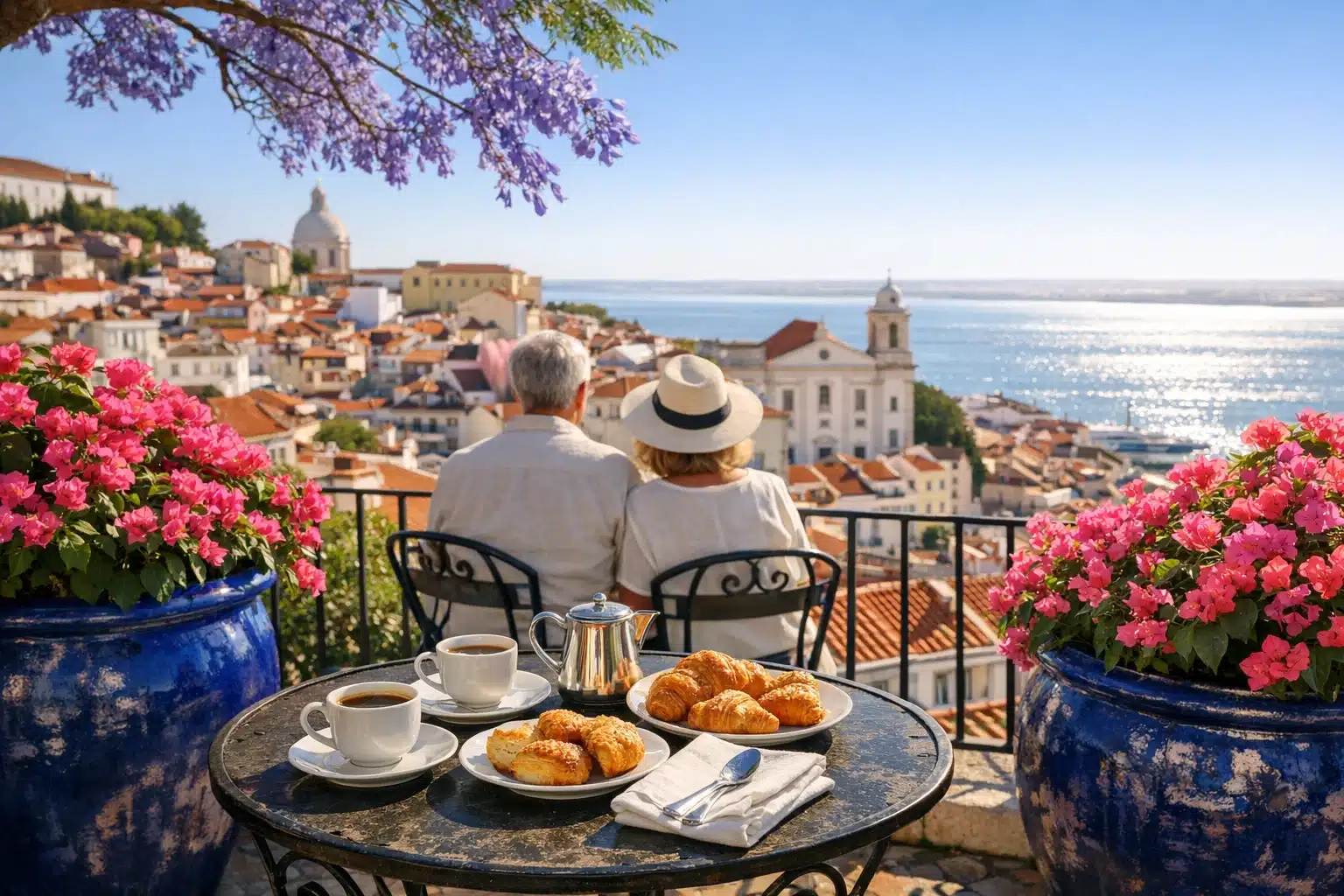
There are also cultural reasons Portugal works well. Meals tend to be social and unhurried, café culture is strong, and many attractions reward slower attention rather than speed. You do not need to race through a checklist to enjoy the country. In fact, Portugal often improves when you slow down. A traveler who spends an extra hour in a market, a monastery cloister, or a Douro riverside town may come away with more lasting memories than someone who tries to photograph ten landmarks before lunch.
Several practical factors add to the appeal:
- Fast train links between key cities, especially Lisbon, Coimbra, and Porto
- A broad range of accommodation, from boutique hotels to serviced apartments and resort stays
- Widely spoken English in many tourist areas, especially among hotel staff and younger professionals
- Good access to private healthcare in major cities and established tourist regions
- Food that is varied but generally approachable, with fresh fish, soups, rice dishes, pastries, and regional wines
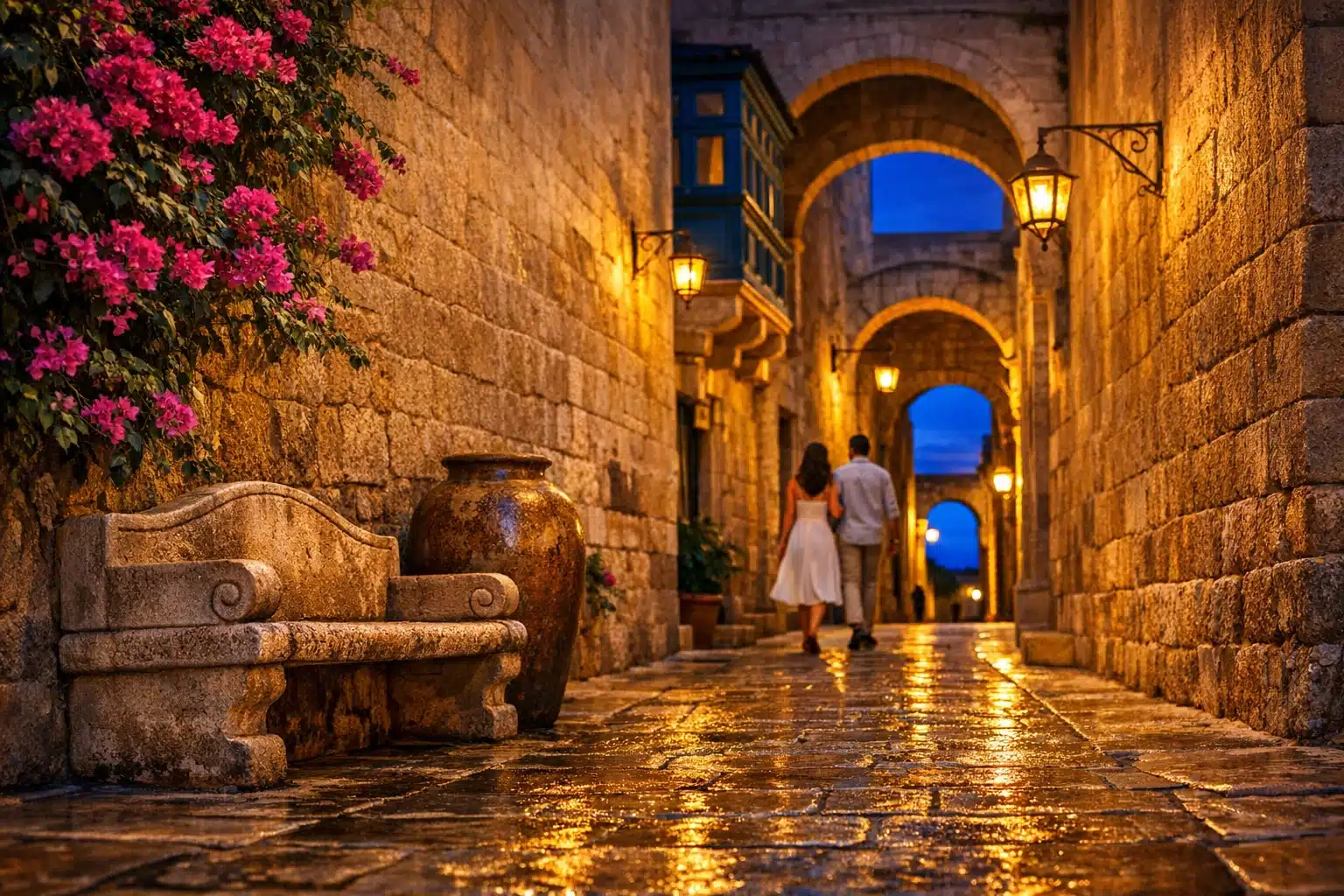
That said, Portugal is not effortless in every respect. Historic neighborhoods often have steep slopes and uneven cobblestones. Luggage with poor wheels becomes a daily enemy very quickly in places like Lisbon or Porto. Some train stations are straightforward, while others involve stairs, platforms, or quick boarding. These are not reasons to avoid the country; they are reasons to plan well. Booking centrally located accommodation, choosing fewer hotel changes, and mixing active days with gentler ones can make the experience far more enjoyable.
Compared with multi-country European trips, Portugal is often the smarter choice for travelers who want depth over velocity. Instead of crossing borders every few days, you can stay within one country and still experience urban history, Atlantic coastline, wine landscapes, medieval towns, and island scenery. That variety, contained in a manageable framework, is what makes Portugal such a strong fit for travelers over 50 in 2026.
Choosing the Right Regions: Lisbon, Porto, the Algarve, the Douro, and Beyond
The best Portugal trip for someone over 50 depends less on age itself and more on preferred pace, comfort needs, and curiosity. Portugal has distinct regions, and each creates a different mood. Lisbon is energetic, layered, and rewarding, but it also asks more of the body. Porto feels compact and atmospheric, with rich food, river views, and strong character. The Algarve offers easier relaxation, beaches, golf, and resort infrastructure. The Douro Valley suits travelers who want scenery, wine, and a slower inland rhythm. Madeira, meanwhile, appeals to those who enjoy nature and spring-like weather with a polished tourism base.
Lisbon is often the natural starting point because it has the largest airport and a strong concentration of museums, monuments, neighborhoods, and day-trip options. It offers excellent culture, from the Jerónimos Monastery to the Gulbenkian Museum, and nearby Sintra can add palaces and cooler green landscapes. Yet Lisbon’s beauty comes with physical demands. The hills are real, the pavements can be slippery, and some tram routes are crowded. For travelers who enjoy cities but value comfort, the best approach is usually to stay central, use taxis or ride-hailing for uphill stretches, and schedule only one or two major sightseeing blocks per day.
Porto is a strong alternative or complement. It is visually striking, especially around the Ribeira and the Douro riverfront, and it feels slightly more contained than Lisbon. Port wine lodges in Vila Nova de Gaia, river cruises, and elegant train journeys into the Douro Valley make Porto especially attractive to travelers who want culture without constant motion. Like Lisbon, it has steep areas, but it often feels easier to digest over three days.
The Algarve is different again. If Lisbon and Porto are for urban texture, the Algarve is for restoration. Towns such as Lagos, Tavira, and Vilamoura suit travelers who want sea views, beach walks, boat trips, golf, and comfortable hotels. It is a particularly good choice for couples or friends who want a few active days and a few lazy ones. Summer can be busy, but spring and early autumn are excellent.
Here is a practical way to compare regions:
-
Choose Lisbon if you want history, architecture, museums, and classic first-time sights.
-
Choose Porto if you prefer a smaller city feel, river scenery, and wine experiences.
-
Choose the Algarve if comfort, weather, and coastal relaxation matter most.
-
Choose the Douro Valley for vineyard stays, scenic drives, and a peaceful rural atmosphere.
-
Choose Madeira if you want island landscapes, gardens, ocean views, and mild temperatures.
Central Portugal is also worth considering for travelers who prefer quieter stops. Coimbra offers a historic university setting, while Évora in the Alentejo combines Roman ruins, whitewashed streets, and a calmer pace. These places can be wonderful additions for return visitors or for anyone who wants to step slightly outside the standard Lisbon-Porto-Algarve triangle. The best itineraries often combine contrast: a city for culture, a rural or wine region for stillness, and a coast or island stay for rest. Portugal is particularly good at that kind of balance.
Practical Planning for 2026: Timing, Transport, Budget, Comfort, and Health
Once you know which regions appeal to you, the next step is turning inspiration into a smooth trip. For travelers over 50, practical planning is not about being cautious for its own sake; it is about buying freedom. The better the structure, the easier it becomes to enjoy a spontaneous lunch, an unplanned museum stop, or an afternoon doing absolutely nothing because the sea view is enough.
Timing is the first major decision. For many mature travelers, the best months are April to June and September to October. These periods usually offer pleasant temperatures, longer daylight, and fewer crowds than July and August. Winter can also work well, especially in the Algarve or Madeira, though some beach towns are quieter and weather can be mixed in the north. If you are traveling in 2026 from outside the European Union, it is sensible to check entry rules well in advance, as Schengen travel procedures and digital authorization systems may evolve. Passport validity, travel insurance, and health documentation should all be reviewed early rather than at the airport.
Transport choices can shape the entire mood of the trip. Portugal’s trains are useful for major routes, and first-class tickets on longer journeys can be worth the extra cost for added space and reduced fatigue. For cities, walking is rewarding but should be balanced with taxis, metro lines, trams, and ride-hailing services when terrain becomes tiring. Rental cars are excellent for the Alentejo, parts of the Algarve, and the Douro if you want flexibility, though city driving and parking can be frustrating.
Accommodation matters even more than many travelers expect. A beautiful hotel on a steep lane may look romantic online and feel less charming when you are dragging luggage uphill over stone. Before booking, check:
- Whether the property has an elevator
- How close it is to public transport or taxi access
- Whether bathrooms have walk-in showers or tubs
- Noise levels in nightlife districts
- Room size, mattress quality, and air conditioning
Budget planning should be realistic rather than rigid. Portugal is often more affordable than some Western European destinations, but popular areas and well-rated hotels have become more expensive in recent years. In 2026, travelers should expect prices to vary sharply by season and location. Lisbon and Porto generally cost more than smaller towns, while oceanfront Algarve properties can rise steeply in peak periods. Many travelers over 50 find that spending a little more on location, comfort, and direct transport produces a much better experience than trying to minimize every expense.
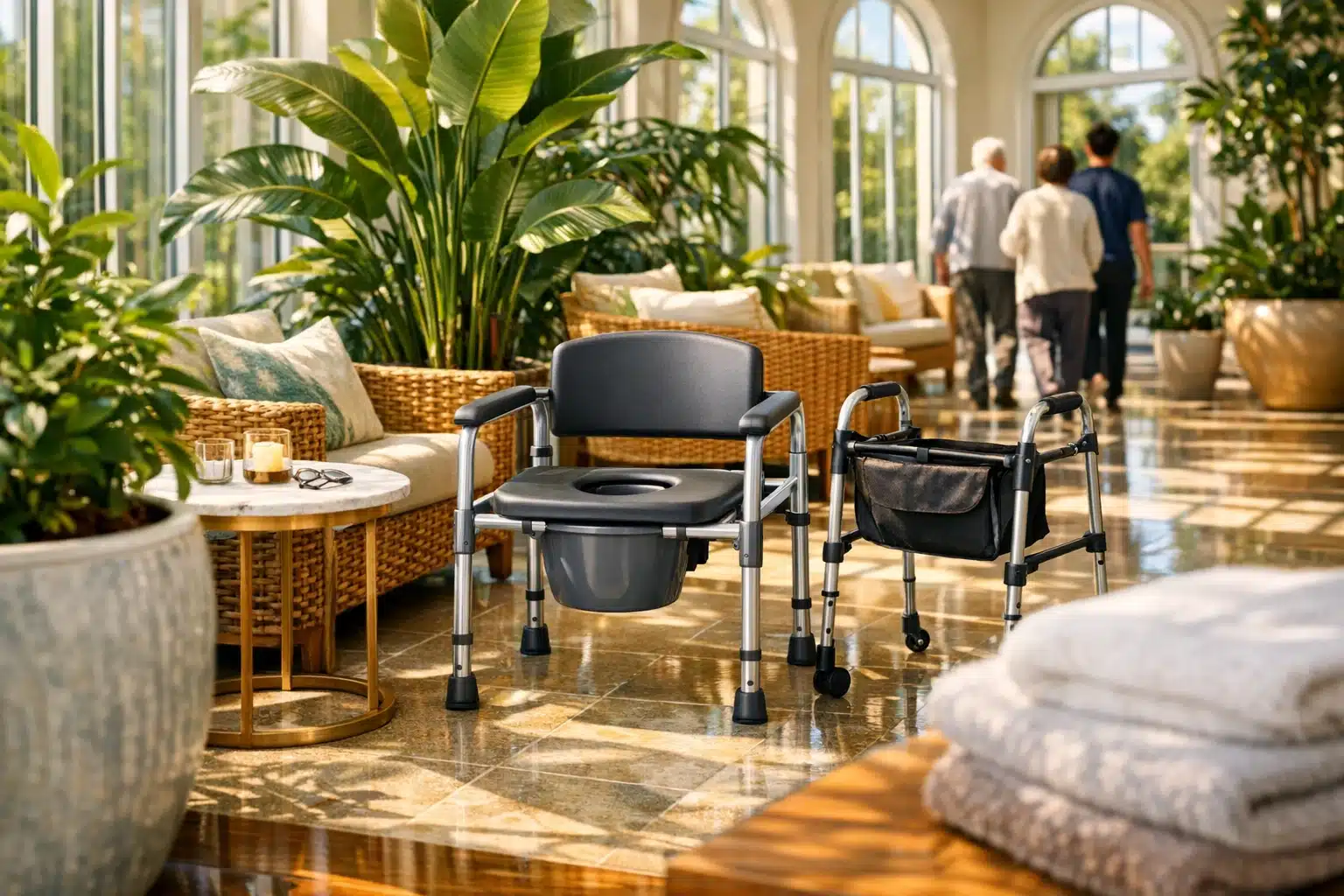
Health and comfort deserve specific attention. Portugal has good pharmacies, and major cities have reliable medical services, but it is still wise to carry prescriptions, a written medication list, and travel insurance details. Hydration matters in warm months, and good walking shoes are essential on cobblestones. Build recovery time into the itinerary. One museum-heavy day can be followed by a river cruise, winery lunch, beach stroll, or garden visit. That pattern often creates a trip that feels sustainable from beginning to end.
Sample Itineraries and Conclusion for Travelers Over 50
The most satisfying Portugal trips for people over 50 usually share one quality: they resist the temptation to do too much. Portugal may look small on the map, but it opens best at a measured pace. A smart itinerary leaves room for weather, appetite, energy, and mood. It understands that a fine trip is not diminished by rest; it is often improved by it.
For a first visit of seven to nine days, a strong route is Lisbon, Porto, and one quieter add-on. Spend three nights in Lisbon, including one day for the historic center and one for Belém or Sintra. Then take the train north and spend three nights in Porto, with a half-day river cruise or wine lodge visit. For the final stretch, choose either Coimbra for history, the Douro Valley for scenery, or Cascais near Lisbon for a coastal finish. This structure gives variety without turning every other day into a transfer day.
For a 12- to 14-day trip, the country becomes even more rewarding. A balanced version might look like this:
-
4 nights in Lisbon, with one day trip to Sintra or Cascais
-
2 nights in the Alentejo or Coimbra for a slower inland contrast
-
3 nights in Porto
-
2 nights in the Douro Valley or 3 nights in the Algarve for rest and scenery
If your priority is sunshine and relaxation, reverse the logic. Start with culture in Lisbon or Porto, then finish with five or six nights in the Algarve. This works particularly well for travelers who like a holiday to end softly rather than in a rush. If you already know mainland Portugal, Madeira offers another excellent format: a week based in Funchal with guided excursions, garden visits, scenic viewpoints, and sea-level walks mixed with easy dining and hotel comfort.
Travel style matters as much as destination choice. Some people over 50 prefer escorted small-group travel because it reduces decision fatigue and simplifies transfers. Others enjoy independent travel but benefit from adding a few guided experiences, such as a private city tour, a Douro winery excursion, or pre-booked rail tickets. There is no prestige in making a trip harder than it needs to be. The best plan is the one that matches your stamina, interests, and appetite for complexity.
In conclusion, Portugal is an excellent 2026 destination for travelers over 50 because it offers flexibility without chaos. You can build a journey around food, history, landscapes, beaches, wine, or simply the pleasure of being somewhere that invites you to slow down. Choose fewer bases, travel in the shoulder season if possible, and pay attention to terrain, transport, and hotel location. Do that, and Portugal is likely to feel less like a busy tour and more like what many people want from travel at this stage of life: comfort with character, discovery without strain, and memories shaped by depth rather than speed.