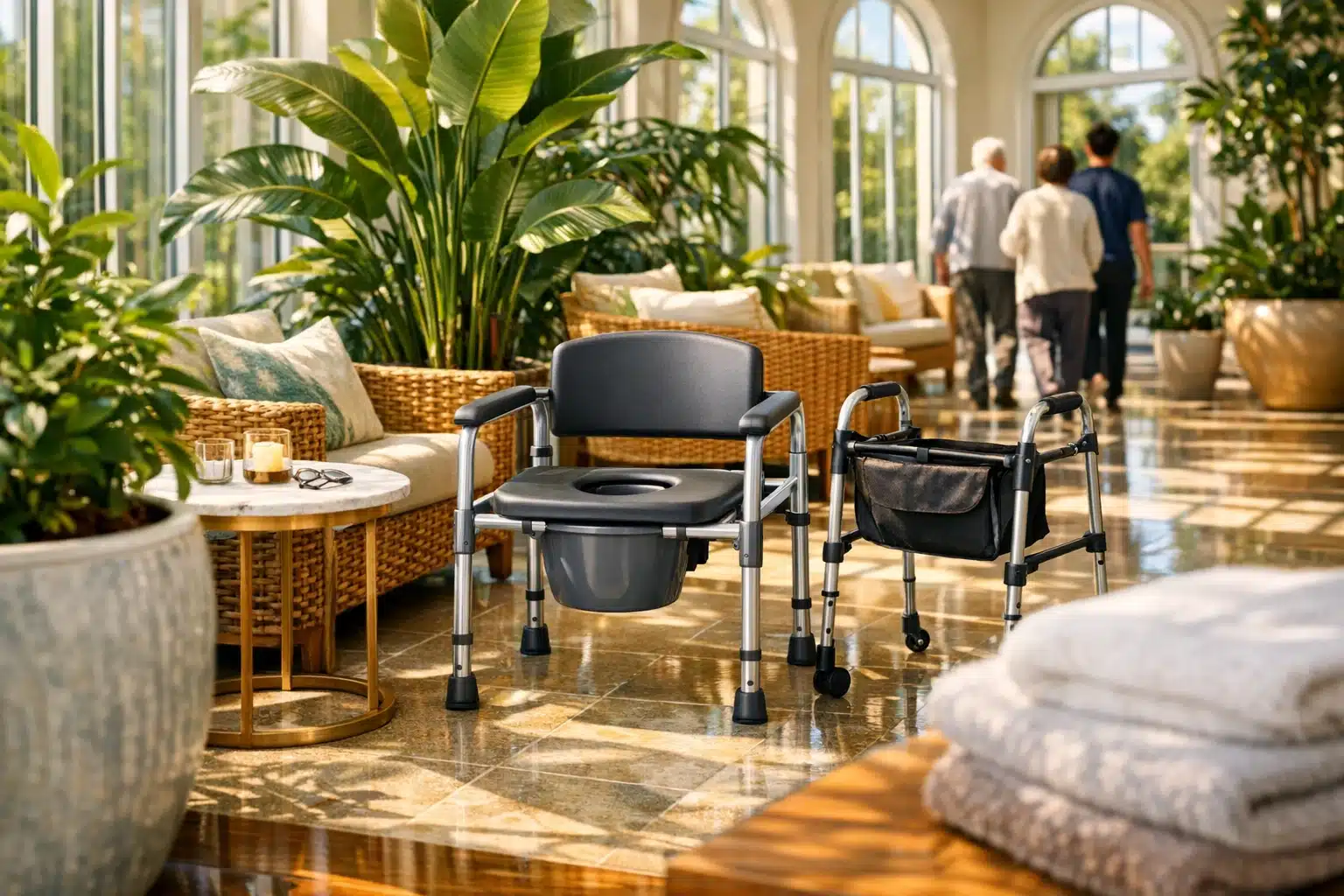
How much will a suitable commode chair cost in 2026? How should seniors choose one?
Choosing a commode chair can feel oddly technical until daily comfort, privacy, and safety are suddenly on the line. For many seniors and caregivers, this simple piece of equipment becomes a bridge between independence and constant assistance. Prices are likely to vary even more in 2026 as materials, transport costs, and specialized features change the market. Knowing what affects cost and fit makes the decision calmer, smarter, and far less stressful.
Outline
This article moves in a practical order. First, it explains what a commode chair does and why it matters so much for seniors. Second, it looks at likely 2026 price ranges and the features that raise or lower the cost. Third, it shows how to choose the right size, height, and support level. Fourth, it compares the main types sold today. Fifth, it closes with buying advice for seniors and family caregivers who want a safer, more comfortable home setup.
1. What a Commode Chair Is and Why It Matters for Seniors
A commode chair is a portable toilet chair designed for people who have difficulty reaching or safely using a standard bathroom toilet. That short definition sounds almost too simple, but in real homes it can make a major difference. For an older adult with arthritis, limited balance, weakness after surgery, or reduced mobility at night, a commode chair may reduce the distance to the toilet, lower the risk of falls, and preserve a sense of privacy. In many cases, it also makes caregiving easier because transfers are shorter and more controlled.
Most people imagine only the classic bedside model with a bucket under the seat. In practice, the category is broader. Some commode chairs are built as 3-in-1 units, meaning they can work as a bedside toilet, a raised seat over a regular toilet, or a support frame for transfers. Others are made for the shower, some include wheels for transport, and heavy-duty models are designed for higher weight capacities. That range matters because the “right” chair depends less on the product label and more on how the senior moves through daily life.
A useful way to understand the value of a commode chair is to compare it with the alternatives. A raised toilet seat may be enough for a person who can walk safely to the bathroom and only needs a little extra height. A commode chair is often better when the senior:
- cannot reliably reach the bathroom in time
- needs support on both sides during sitting and standing
- has a bedroom far from the toilet
- is recovering from illness, injury, or surgery
- requires overnight convenience to avoid risky trips in the dark
There is also an emotional side that product listings rarely explain. Toileting is deeply connected to dignity. A poorly chosen chair can feel unstable, cramped, cold, or embarrassing. A well-matched chair, by contrast, often fades into the routine of the day, which is exactly what many seniors want. It becomes an unobtrusive helper rather than a constant reminder of limitation. That is why shopping should not begin with price alone. It should begin with the person: body size, mobility, home layout, and the amount of help available. Once those pieces are clear, cost becomes easier to judge because you are no longer buying a generic chair. You are choosing a tool for safety, comfort, and independence.
2. How Much a Suitable Commode Chair May Cost in 2026
No one can promise exact 2026 pricing across every region, retailer, and supply chain, but a realistic estimate is still possible. In general, commode chair prices tend to reflect five big variables: frame material, weight capacity, adjustment range, transfer features, and whether the chair is designed for multi-use or specialized care. If inflation, freight costs, and medical equipment demand remain uneven, buyers in 2026 should expect a wider spread between entry-level chairs and premium mobility-focused models.
A practical estimate in U.S. dollars for 2026 may look something like this:
- basic bedside commode: about $70 to $140
- 3-in-1 commode with height adjustment: about $90 to $180
- drop-arm or padded commode: about $150 to $300
- rolling shower commode or transport-style model: about $220 to $700
- bariatric commode with reinforced frame: about $250 to $800 or more
- specialized clinical recline or tilt models: often $900 and up
Why such a large range? A plain steel frame with a bucket and basic seat is relatively inexpensive to manufacture. Add corrosion-resistant aluminum, padded surfaces, caster wheels, swing-away footrests, removable arms, or a wider seat, and the price climbs quickly. Heavy-duty engineering also costs more because stronger welds, larger tubing, and higher-capacity seats require more material and testing. In other words, the chair gets pricier not because it looks fancier, but because it solves more difficult mobility problems.
Buyers should also think beyond sticker price. The total cost of ownership can include:
- replacement buckets or lids
- commode liners or odor-control supplies
- cleaning products safe for the frame and seat
- non-slip floor mats if used bedside
- professional advice from an occupational therapist in complex cases
There is another quiet factor in 2026 pricing: convenience. Fast shipping, local assembly, and easy returns may increase the listed cost, but they can still deliver value. A cheaper chair that arrives late, fits poorly, or is difficult to return may not be cheaper in the end. Families should also check whether a health plan, local aging program, veterans’ benefit, or durable medical equipment allowance may help with cost. Coverage rules vary widely by country and by plan, so it is wise to verify details before purchasing. The smart mindset is this: compare usable value, not just the number on the price tag. For a senior who needs stable support every day, the best bargain is the chair that prevents strain, fits the body correctly, and works reliably in the actual room where it will be used.
3. How Seniors Should Choose the Right Size, Height, and Support
If cost is the headline question, fit is the decision that matters most. A commode chair can be well built and still be wrong for the user if the seat is too low, too narrow, or too difficult to approach with a walker. Seniors should choose a chair the way one chooses shoes for a long walk: the little measurements matter, and discomfort only gets louder over time.
Start with the basics. The user’s weight should be comfortably below the chair’s maximum capacity, not sitting right at the limit. Many standard models support around 250 to 300 pounds, while bariatric versions may support substantially more. Seat width is just as important. A chair that is too tight may cause pressure and make hygiene harder. One that is too wide can reduce stability during transfers, especially for smaller adults who need support from the armrests.
Seat height deserves special attention. A senior should usually be able to place the feet firmly on the floor while sitting, with knees and hips in a stable, comfortable position. If the seat is too low, standing up becomes a strain on the knees and hips. If it is too high, the feet may dangle, reducing balance and confidence. Adjustable legs are helpful because they allow the chair to be matched to the user rather than forcing the user to adapt to the chair.
When comparing models, ask these practical questions:
- Can the user sit down and stand up without twisting awkwardly?
- Are the armrests sturdy enough to bear weight during transfers?
- Will the chair fit through doorways and beside the bed?
- Is the seat shape comfortable for longer use if needed?
- Does the bucket remove easily for cleaning?
- Will a caregiver need drop arms or wheels to assist safely?
Home layout matters as much as the body. In a small bedroom, a wide commode can become a nightly obstacle course. In a bathroom with a step-in shower, a rolling shower commode may be impractical. Flooring matters too. Smooth tile and vinyl are easier for rolling models; thick carpet can make positioning awkward. If the user has one-sided weakness after a stroke or limited hand strength, details like armrest grip and seat opening shape become more than preferences.
There is also the question of duration. A temporary need after surgery may justify a simpler, lower-cost chair. A long-term condition often makes it worth paying more for comfort and easier cleaning. Seniors and caregivers should be honest about future needs, not only today’s abilities. When in doubt, a quick assessment from a physical therapist or occupational therapist can prevent an expensive mismatch. The goal is not just finding a chair that works in theory. It is finding one that supports safe, repeatable daily use without turning every transfer into a small engineering project.
4. Comparing Common Types of Commode Chairs
The phrase “commode chair” covers several designs, and comparing them side by side makes shopping much easier. The most common starting point is the standard bedside commode. It is simple, usually affordable, and often height adjustable. For someone who needs a nearby toilet at night or during a short recovery period, this can be enough. Its downside is that it may feel basic, and lower-end versions can be less comfortable during extended use.
The 3-in-1 commode is often the most versatile option for general home use. It can function as a standalone bedside chair, a frame placed over an existing toilet, or a raised toilet support with a removable bucket. That flexibility gives it excellent value, especially for families who are still learning what setup will work best. If the senior’s needs may change over a few months, a 3-in-1 model usually offers more room to adapt than a fixed-purpose chair.
Drop-arm commodes deserve attention when transfers are difficult. The arms can move out of the way, allowing a side transfer from a bed or wheelchair. This feature is especially useful for seniors with limited leg strength, caregivers assisting with lateral movement, or users who cannot manage a straight stand-and-turn motion. The trade-off is price. Drop-arm designs generally cost more than basic models, and buyers should check whether the locking mechanism feels secure and simple enough to operate.
Rolling shower commodes combine toileting and bathing support in one chair. For some households, they reduce the number of transfers in a day, which can be a major benefit. Instead of moving from bed to chair to toilet to shower seat, the user may remain in a single mobility system for longer. These models often include waterproof materials, casters with locks, and a shape designed to fit over some toilets. They are convenient, but they cost more and require enough bathroom space to maneuver safely.
Bariatric commodes are built for higher capacities and wider seating. They are not merely larger versions of standard chairs; they are reinforced to improve stability and reduce frame stress. For users who need them, they are essential. Choosing a standard chair just to save money is a false economy if the fit is poor or the frame is under strain.
In short, the comparison often looks like this:
- basic bedside: lowest cost, simplest use
- 3-in-1: best general versatility
- drop-arm: better for side transfers
- shower commode: useful for combined hygiene support
- bariatric: necessary for higher capacity and wider comfort
The best model is not the one with the longest feature list. It is the one that matches how the senior actually moves, sits, cleans up, and navigates the room every single day.
5. Conclusion for Seniors and Family Caregivers
For seniors and the people helping them, choosing a commode chair in 2026 is really a decision about daily ease. A suitable model may cost anywhere from under $100 for a simple bedside option to several hundred dollars for chairs with transfer, shower, or heavy-duty features. That wide range can feel confusing at first, but the logic becomes clearer when you focus on need instead of marketing. The main questions are straightforward: Is it safe to sit and stand? Does it fit the body well? Will it work in the room where it is needed? Can it be cleaned without turning into a dreaded chore?
It helps to think in layers. First comes safety: stable legs, proper height, secure arm support, and enough capacity for the user. Second comes comfort: seat width, posture, ease of transfer, and whether the chair can be used without pain or embarrassment. Third comes practicality: storage, cleaning, bucket handling, and whether a caregiver can assist without awkward lifting. Price belongs after those steps, not before them.
A sensible final checklist looks like this:
- measure the user and the available space before buying
- choose a weight capacity with a comfortable margin
- compare seat height and width, not just overall dimensions
- decide whether bedside use, over-toilet use, or shower use matters most
- read return policies and assembly details carefully
- ask about plan benefits or local equipment support if cost is a concern
If a senior only needs temporary help, a basic or mid-range chair may be entirely appropriate. If the need is ongoing, spending more for transfer-friendly features, better materials, or easier hygiene often pays off in less strain and more confidence. There is a quiet wisdom in that. The best commode chair is not a glamorous purchase, but it can make mornings smoother, nights safer, and caregiving less exhausting. For many households, that is not a small improvement. It is the kind of practical relief that gives everyone a little more breathing room, which is often exactly what a home needs.