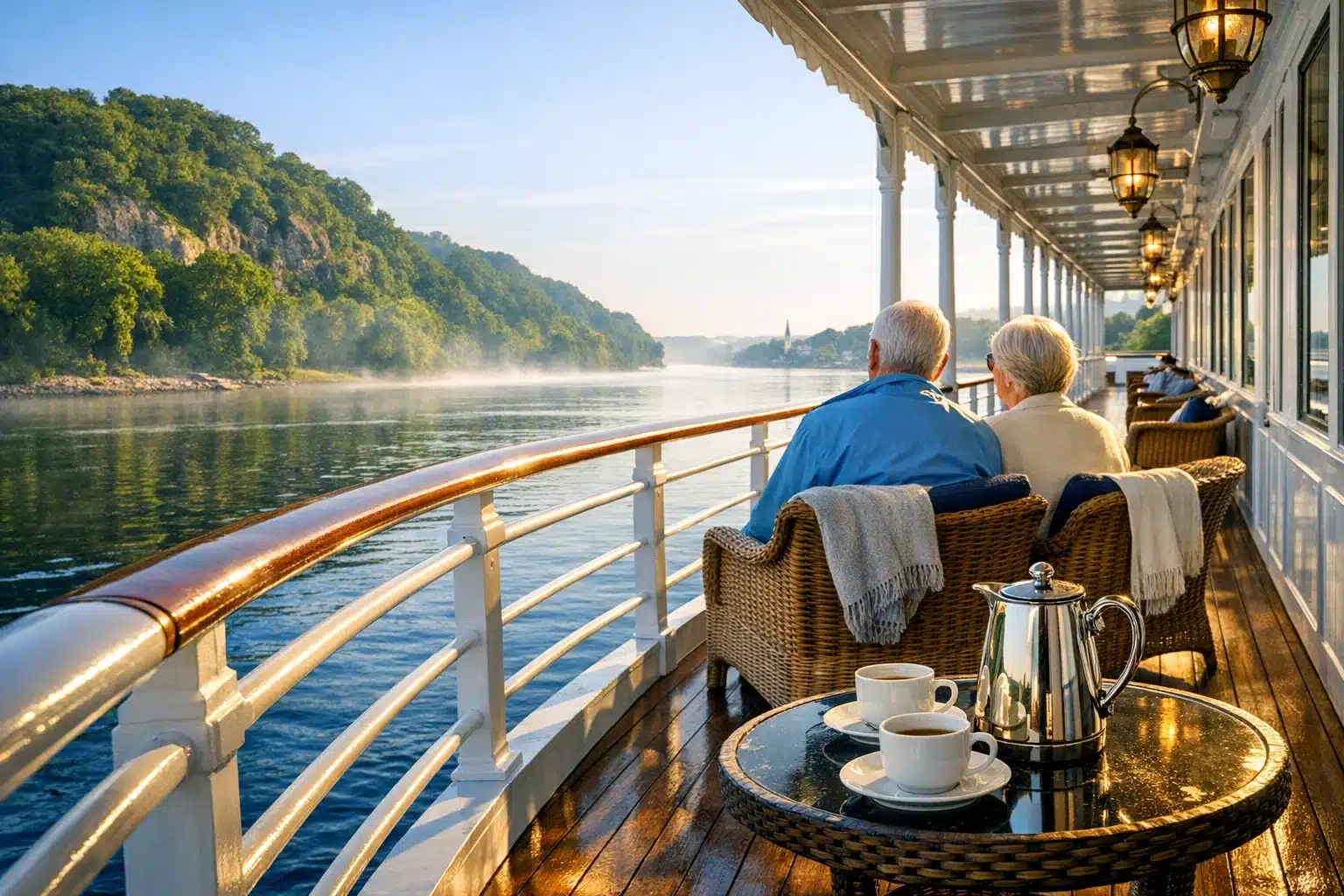
Mississippi River Cruise 2026 for Seniors: The Most Important Information at a Glance
A Mississippi River cruise offers something many travelers want more of in 2026: a slower journey with fewer moving parts and richer local character. For seniors, that combination can be especially attractive because it pairs comfort, scenery, history, and easier logistics. Still, the term all-inclusive is not always as straightforward as it sounds. Knowing what is truly covered, what pace to expect, and which route fits your interests can make the difference between a pleasant trip and the right one.
Outline: What This Guide Covers and Why It Matters
Before comparing cabins, prices, or embarkation cities, it helps to map the territory. Mississippi River cruising is not a single, uniform product. One itinerary may focus on Civil War history and Southern cuisine between New Orleans and Memphis, while another highlights limestone bluffs, lock systems, and Mark Twain lore farther north. Some riverboats are intimate and quiet, others are livelier and more structured, and the phrase all-inclusive can stretch from simply covering meals and excursions to including hotel stays, transfers, drinks, gratuities, and cultural programming. For seniors planning 2026 travel, those distinctions matter because the comfort of the trip often depends less on the brochure headline and more on the fine print.
This article is organized to answer the questions most travelers ask before placing a deposit. The structure is practical on purpose. Rather than treating a river cruise as a dreamy abstraction, it breaks the experience into choices that affect cost, convenience, and enjoyment. In other words, this is the dockside version of laying out your luggage before a trip: everything becomes easier once you can see what belongs where.
Here is the roadmap for the rest of the guide:
• what all-inclusive usually includes on a Mississippi River cruise and where hidden extras often appear
• how Upper, Lower, and full-length Mississippi itineraries differ in scenery, climate, culture, and pace
• which senior-focused planning details deserve real attention, including mobility, cabin location, onboard atmosphere, and health preparation
• how to think about pricing, booking timing, insurance, and the small contract terms that can shape the entire experience
The focus on seniors is especially relevant because this segment of the travel market often prioritizes comfort, clarity, and pace over novelty for its own sake. Many older travelers want fewer airport transfers, English-speaking guides, reliable dining, and shore programs that do not feel like endurance events. A Mississippi itinerary can fit those preferences well, but only if the cruise line’s style matches the traveler’s needs. A beautiful route is not enough if the gangway is steep, the coach tours are long, or the fare leaves out the services you assumed were covered.
That is why the sections ahead combine comparison, practical detail, and a bit of scene-setting. The Mississippi is not just a route on a map; it is a corridor of music, agriculture, architecture, river engineering, and regional memory. Planning well allows you to enjoy that richness instead of spending the trip sorting out logistics after boarding.
What All-Inclusive Usually Means on a Mississippi River Cruise in 2026
The phrase all-inclusive sounds wonderfully simple, but in river cruising it usually means mostly inclusive rather than absolutely everything. On Mississippi River itineraries, the base fare commonly includes your stateroom, daily meals, some beverages, entertainment, lectures, Wi-Fi, and a set of guided shore excursions. On higher-priced packages, gratuities, one hotel night before embarkation, airport transfers, or premium drinks may also be bundled in. The only safe assumption is that every cruise line defines the term a little differently, and the traveler who reads the inclusion list carefully is usually the traveler who avoids surprise charges later.
For seniors, the distinction is important because convenience is often part of the value equation. A cruise may look expensive at first glance, yet become more reasonable once you account for hotel costs, restaurant bills, transportation between ports, and guided touring that would otherwise need separate booking. On the other hand, a fare that appears fully bundled can lose some of its appeal if it excludes airfare, travel insurance, special dining events, or premium shore options. That is why comparing sticker prices alone can be misleading.
Typical inclusions often cover the following:
• breakfast, lunch, and dinner in main dining venues
• coffee, tea, and soft drinks throughout much of the day
• wine and beer with lunch or dinner on many sailings
• daily enrichment such as historians, musicians, or destination talks
• at least one standard excursion in each port
• onboard gratuities on some premium packages, but not all
Common exclusions may include:
• flights to and from the embarkation city
• pre-cruise and post-cruise hotel stays, unless specifically stated
• premium cocktails, reserve wines, or specialty tasting events
• optional excursions with limited group sizes or added transportation
• trip interruption coverage, medical insurance, and cancellation protection
• laundry, gift shop purchases, and personal services
Another point worth noting is that Mississippi River cruises are domestic U.S. products, and that changes the economics compared with some overseas river itineraries. Labor costs, port logistics, and vessel standards tend to make these cruises premium-priced, even before extras are considered. Week-long fares can run into the mid-thousands per person, and suites often cost significantly more. That does not automatically make them poor value. It simply means travelers should ask sharper questions: Are airport transfers included? Are gratuities prepaid? Are excursions walking-intensive or coach-based? Does Wi-Fi work well enough for regular contact with family? Is a balcony real, French-style, or absent?
In practical terms, an all-inclusive Mississippi cruise is best understood as a comfort package, not a blank check. The stronger the package, the easier the trip feels. The weaker the package, the more planning falls back on the traveler. For seniors looking ahead to 2026, that difference can shape the entire tone of the vacation.
Comparing Upper, Lower, and Full Mississippi Itineraries
Choosing the right stretch of the river is often more important than choosing the nicest brochure image. The Mississippi changes character dramatically from north to south. The Upper Mississippi, often sailing between St. Paul and cities such as St. Louis or nearby segments, tends to emphasize river scenery, lock passages, historic small towns, and a landscape shaped by bluffs, forests, and agricultural communities. The Lower Mississippi, usually associated with routes between Memphis and New Orleans, leans more heavily into music history, antebellum architecture, Civil War sites, Creole and Cajun influences, and the broad cultural texture of the American South. A full Mississippi journey, when available, combines these elements into a longer and more ambitious voyage.
For many seniors, the Upper Mississippi feels quieter and more pastoral. Towns such as Red Wing, Dubuque, La Crosse, or Hannibal can offer manageable sightseeing, local museums, and strong Americana without the intensity of large urban centers. The Lower Mississippi often brings bigger contrasts between ports. One day may involve plantation history or battlefield interpretation, another may center on blues heritage, literary traditions, or New Orleans cuisine. Travelers who enjoy storytelling, regional food, and layered historical context often find the lower segment especially memorable.
Season also matters. Spring and fall are typically attractive for seniors because temperatures can be more comfortable than high summer, though weather patterns vary by region. Summer on the Upper Mississippi can be pleasant but warm, while the Deep South can become hot and humid. Autumn often brings beautiful color in northern stretches and a slightly softer climate farther south. Early spring can be lush and atmospheric, though river conditions and local weather remain variables that no itinerary can fully control.
Here is a useful comparison:
• Upper Mississippi: scenic bluffs, locks and dams, smaller towns, a calmer visual rhythm, often appealing to travelers who enjoy geography and classic river imagery
• Lower Mississippi: stronger emphasis on music, Southern foodways, major historical themes, and culturally distinctive port experiences
• Full Mississippi: broader immersion, more travel days, more unpacking of history, and a better fit for travelers with time and budget for a longer commitment
Pacing should not be overlooked. Some passengers imagine a river cruise as effortless gliding from one postcard to the next, but port days can still be full. Excursions may last several hours, include coach transfers, or require standing during guided visits. Travelers with limited stamina may prefer itineraries where the onboard experience carries more of the appeal, rather than routes that depend heavily on active sightseeing. That is why the best choice is not necessarily the most famous stretch of river. It is the segment whose culture, climate, and excursion style match your energy and interests.
If you picture the Mississippi as a single ribbon, itinerary planning can seem abstract. If you picture it as a series of distinct chapters, the decision becomes much clearer. The upper river reads like a landscape memoir. The lower river feels closer to a historical epic with a soundtrack. The full river asks for more time, but rewards that time with a deeper sense of continuity.
Senior Travel Planning: Cabins, Mobility, Health, and Onboard Experience
A well-chosen itinerary can still disappoint if the ship itself does not fit the traveler. For seniors, the most useful planning questions are often the least glamorous ones: How steep is the gangway in port? Is there an elevator serving all passenger decks? Are accessible cabins available, and how early do they sell out? How long do standard excursions usually last? Does the bathroom have a walk-in shower or a step-over tub? These details rarely dominate advertising, yet they often determine whether a cruise feels relaxed or unnecessarily tiring.
Cabin selection deserves more thought than many first-time cruisers expect. Mid-ship locations can feel convenient, especially for travelers who want shorter walks to dining rooms and lounges. Upper decks may offer better views, but only if the ship layout supports easy access. A larger room can also be more than a luxury item for older travelers; extra space around the bed, chairs with proper support, and easier movement for luggage or mobility aids can genuinely improve comfort. Some cruises also offer private balconies or opening windows, though the type of outdoor access varies. Reading the deck plan is not obsessive. It is smart.
Mobility needs should also be matched to the shore program. Historic river towns are charming precisely because they are old, which can mean uneven sidewalks, cobblestones, stairs, and longer walks between coach drop-off points and attractions. Even when a cruise advertises included excursions, not every tour will suit every passenger. It is worth asking for activity ratings in advance and checking whether there are lower-impact alternatives in each port. A seated music performance or panoramic driving tour may be far more enjoyable than pushing through a long walking itinerary just because it was included in the fare.
Key questions to ask before booking include:
• Are there step-free routes to major public spaces onboard?
• How many accessible or mobility-friendly shore options are available?
• Is there medical staff onboard, or only emergency response protocols?
• Can the kitchen handle low-sodium, diabetic-friendly, gluten-free, or other medically necessary diets?
• What is the average age range and evening atmosphere on this itinerary?
• Are solo travelers welcomed with dedicated gatherings, or is the social scene mostly couples-based?
Onboard life is another major factor. Mississippi riverboats often appeal to travelers who enjoy lectures, regional performances, and conversation more than nightlife in the resort sense. That can be an advantage for seniors who want substance without noise. A good program might include historians, naturalists, authors, musicians, or cooking demonstrations tied to the region. In the evening, you are more likely to find a pianist, jazz set, or storytelling session than a late-night party. The river itself sets the mood: broad, steady, and not interested in hurrying for anyone.
Health preparation matters too. Bring an updated medication list, carry essentials in hand luggage, and look closely at insurance that covers medical issues, evacuation, and cancellation for illness. Domestic cruising reduces some travel complexity, but it does not remove the need for sensible backup plans. Comfort on a Mississippi cruise often comes from the combination of manageable expectations and careful preparation.
Conclusion for Seniors: Budgeting Smart and Choosing the Right 2026 Cruise
For seniors considering a Mississippi River cruise in 2026, the most successful bookings usually come from matching three things: the right route, the right inclusion level, and the right physical pace. Price matters, of course, but price alone rarely tells the whole story. A lower fare can become expensive once you add flights, hotel nights, gratuities, upgraded excursions, and insurance. A higher fare may prove easier to justify if it removes planning stress and delivers smoother logistics from arrival to disembarkation.
When building a realistic budget, think in layers rather than a single number. The cruise fare is only the core. Add transportation to the embarkation city, possible pre-cruise lodging, travel protection, porter tips where relevant, and any personal spending that tends to arise on longer trips. If you prefer a larger cabin, private transfers, or a premium drinks package, include those early rather than treating them as afterthoughts. Seniors traveling solo should also pay close attention to single supplements, which can substantially affect value. Some departures offer reduced solo pricing, but availability can be limited.
A practical booking checklist looks like this:
• compare what each fare actually includes before comparing the fare itself
• ask about deposit schedules, cancellation terms, and final payment dates
• request mobility information for both ship access and shore excursions
• consider spring or fall departures if milder weather is a priority
• look at air connections to embarkation and disembarkation cities before choosing a sailing
• use a travel advisor or line representative who can answer detailed questions instead of giving generic reassurance
Timing can also influence both choice and cost. Booking earlier often means better cabin selection, especially for accessible rooms and popular shoulder-season departures. Waiting can occasionally produce promotional offers, but it can also leave travelers with less desirable cabin locations or fewer dates. For a senior traveler who values certainty, early planning is often the calmer route. The same logic applies to travel insurance: it feels optional until the day it does not.
The right Mississippi cruise is not necessarily the longest, fanciest, or most heavily advertised. It is the one that fits your interests, energy, and preferred style of travel. If you want small-town scenery, engineering marvels, and a quieter visual journey, the Upper Mississippi may be ideal. If you are drawn to jazz, layered history, and Southern food culture, the Lower Mississippi may be the stronger match. If you have the time and appetite for a bigger story, a full-river itinerary can be deeply rewarding.
For the senior traveler, that is the real takeaway at a glance: read the inclusions carefully, choose a route with intention, protect comfort where it matters, and let the river do what it has always done best. It carries the journey forward at its own measured pace, inviting you to notice more, rush less, and enjoy the distance between one shore and the next.