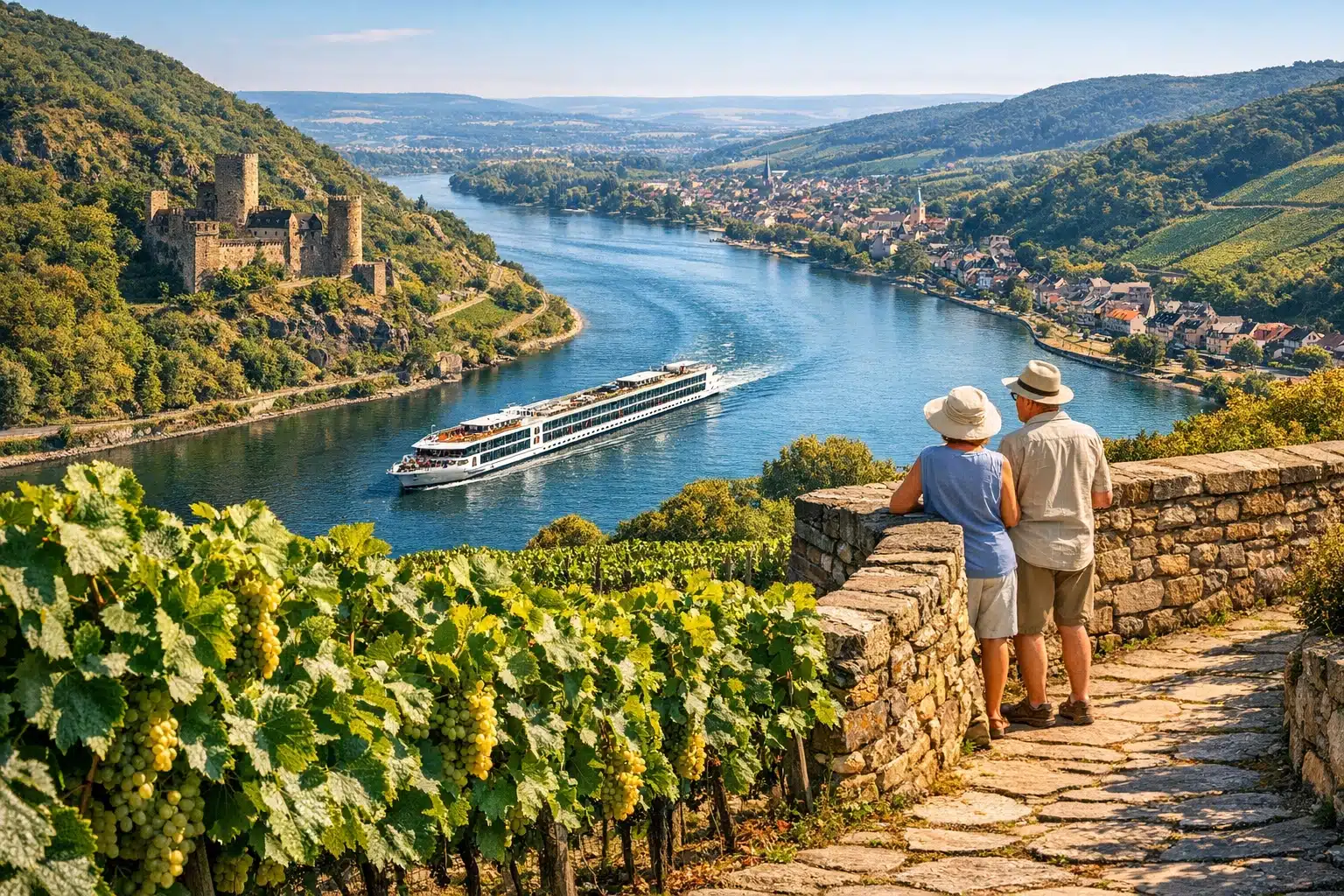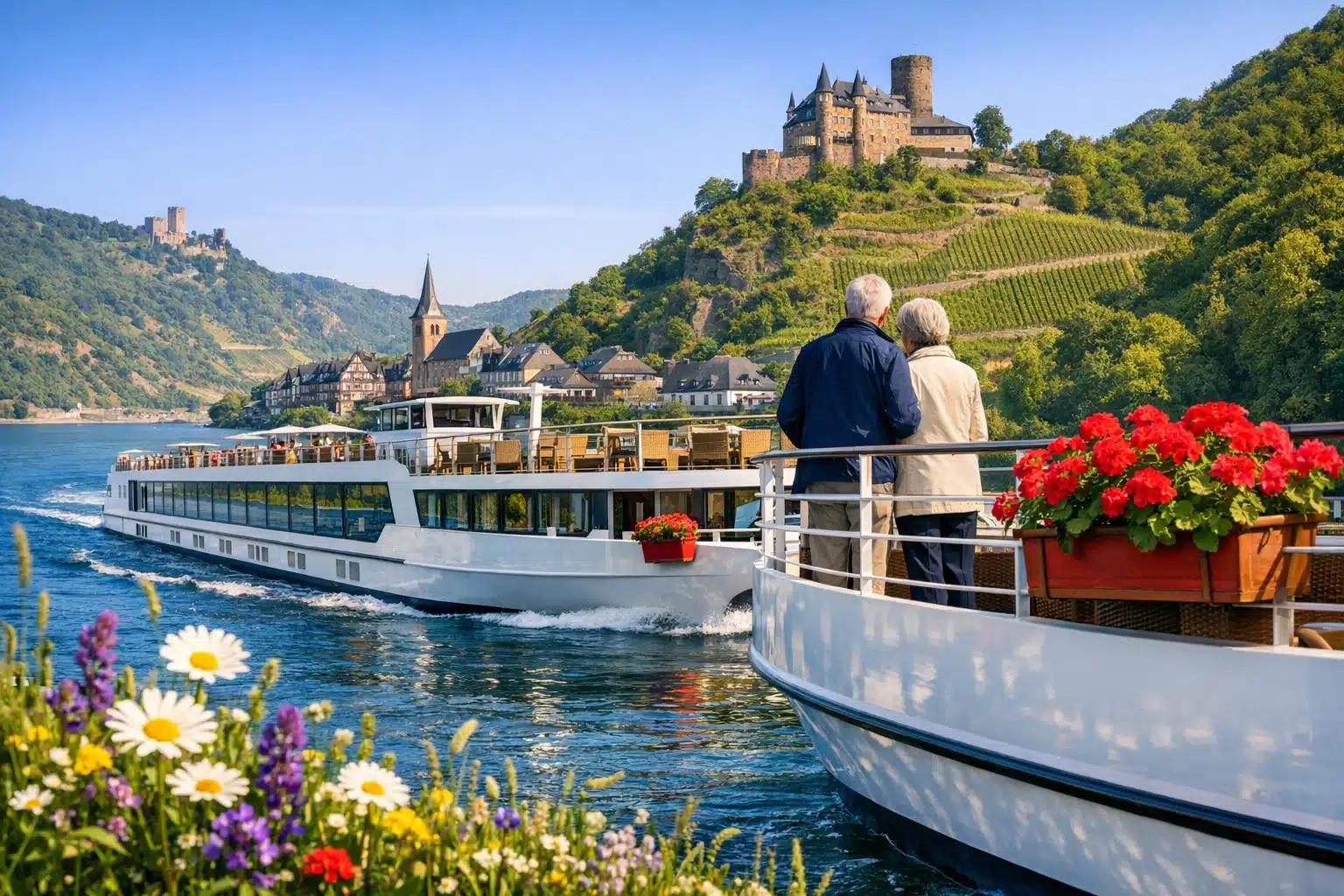
A Rhine River cruise with no hidden fees – ideal for senior travelers.
Outline and Introduction
The Rhine has a way of making travel feel both grand and manageable. One morning may begin with vineyard slopes drifting past the window, while the afternoon ends in a medieval town reached without hauling a suitcase through a station. For older travelers who value comfort, rhythm, and clarity, an all-inclusive cruise can turn a complex European trip into something refreshingly straightforward. The real advantage is not luxury alone, but the freedom that comes from knowing most essentials are already arranged.
Before diving into details, it helps to picture the journey in a simple outline.
• Why the Rhine is one of Europe’s most rewarding river routes for seniors.
• What “all-inclusive” usually covers, and where extra charges still appear.
• Which itineraries, excursions, and ship features best support comfort and ease.
• How to choose a cruise that fits mobility needs, budget expectations, and travel style.
The Rhine River runs roughly 1,230 kilometers from the Swiss Alps to the North Sea, but most leisure cruises focus on its most scenic and culturally rich middle stretches. These itineraries often connect Amsterdam, Cologne, Koblenz, Rudesheim, Strasbourg, and Basel, though routes vary. That concentration of highlights is one reason the Rhine remains such a practical choice. Instead of spending days in airports, train stations, or highway transfers, travelers unpack once and watch the landscape change outside their cabin window.
For senior travelers, this format solves several common travel headaches at once. A well-planned cruise reduces the physical strain of moving between hotels, lowers the mental effort needed to coordinate meals and transport, and adds a layer of reassurance through guided excursions and onboard staff. River ships are also much smaller than ocean liners. Many carry between about 100 and 190 guests, which often means shorter walking distances onboard, faster embarkation, and a quieter atmosphere.
The phrase “no hidden fees” deserves careful attention, because it is often the difference between a relaxing trip and a frustrating one. Some cruise fares include meals, house beverages, Wi-Fi, excursions, and gratuities, while others bundle only the basics and present optional costs later. Understanding that distinction is essential, especially for travelers on a fixed retirement budget.
In short, a Rhine River all-inclusive cruise is relevant because it blends scenery, history, and comfort into a format that can be both enriching and manageable. The castles are real, the logistics can be simple, and the experience can feel wonderfully unhurried when the right itinerary is chosen.
What “No Hidden Fees” Really Means on a Rhine River Cruise
The words “all-inclusive” sound wonderfully final, yet in travel they can mean very different things. On a Rhine River cruise, the most honest interpretation is not “absolutely everything,” but rather “most essential trip costs are included and clearly explained before booking.” That distinction matters. Senior travelers often want predictable spending, and rightly so. A cruise advertised at an attractive fare can become much more expensive once gratuities, transfers, drinks, excursions, and service charges are added.
At a minimum, most Rhine river cruises include a cabin, daily housekeeping, main meals, and basic sightseeing in selected ports. Premium or luxury-style packages may also include airport transfers, wine and beer with lunch and dinner, all-day beverages, Wi-Fi, gratuities, and a larger number of shore excursions. The more generous the package, the easier it becomes to estimate the real trip cost before leaving home.
Common items that may or may not be included are:
• Airfare to Europe and return flights.
• Pre-cruise hotel stays or post-cruise extensions.
• Optional specialty tours, such as private museum visits or culinary outings.
• Premium spirits, minibar items, spa treatments, and laundry.
• Travel insurance, visa fees where relevant, and medical expenses.
• Crew gratuities, which can be prepaid on some sailings and added later on others.
A useful comparison is to think of cruise pricing in three broad tiers. Entry-level fares may cover the cabin, meals, and a few guided walks, but leave several extras to the guest. Mid-range packages often add more excursions and some beverage service. Higher-end fares usually bundle most daily costs, which can be especially appealing to seniors who prefer not to sign receipts throughout the trip. In practical terms, a seemingly higher upfront price can end up being the better value if it reduces surprise expenses.
There is also a psychological advantage to transparent pricing. Travel feels calmer when every coffee, transfer, or walking tour does not trigger a fresh spending decision. That may sound small, but it changes the tone of the trip. Instead of calculating each choice, travelers can focus on whether they feel like visiting a cathedral, trying local Riesling, or simply watching the river unfold under a pale evening sky.
Before booking, ask direct questions. Does the fare include gratuities? Are transfers available on embarkation day? How many excursions are complimentary? Is bottled water covered? Are port taxes already included? A cruise line that answers these plainly is often a better fit than one that relies on vague marketing language. “No hidden fees” is not magic; it is a matter of careful reading, transparent terms, and choosing a package that aligns with real habits rather than wishful assumptions.
Choosing the Best Rhine Itinerary and Pace for Senior Travelers
Not every Rhine cruise feels the same, even when two brochures feature the same castles and cathedral spires. For senior travelers, the best itinerary is usually not the one with the longest list of ports, but the one with the smartest rhythm. A comfortable pace leaves enough time to enjoy each stop without turning every morning into a race from breakfast to gangway.
The classic Rhine route often runs between Amsterdam and Basel, or the reverse, over about seven to eight nights. This remains popular for good reason. It combines Dutch canals, German riverside towns, the dramatic gorge near Koblenz and Bingen, French-influenced Strasbourg, and Swiss connections at the southern end. For travelers who want a broad survey of the region, it is hard to beat. Another appealing option is a shorter segment focused on the Middle Rhine, especially the UNESCO-listed Upper Middle Rhine Valley, a scenic stretch of about 65 kilometers known for vineyards, steep hillsides, and a remarkable concentration of castles.
When comparing itineraries, consider not only where the ship stops, but how shore time is structured. Some cruises offer gentle walking tours, coach-assisted sightseeing, or “slow pace” groups alongside more active options. That flexibility is valuable. A traveler may happily manage a cobbled square and a museum one day, then prefer a panoramic drive or an onboard rest the next.
Questions worth asking include:
• How long are the standard walking tours, and are there stairs or uneven streets?
• Are audio headsets used, making guides easier to hear in busy areas?
• Is free time built into the day, or are excursions tightly scheduled?
• Are there alternative excursions for guests with limited mobility?
• Does the itinerary involve very early departures or long coach transfers?
A faster itinerary can look exciting on paper yet feel tiring in practice. Ports such as Cologne and Strasbourg are rich in history, but they also reward slower exploration. A rushed visit may reduce them to postcard moments. By contrast, an itinerary with a balanced schedule allows travelers to sit in a square, enjoy a pastry, listen to church bells, and notice what makes a place memorable beyond its landmarks.
Season also shapes the experience. Spring brings blossoms and moderate weather, while autumn often offers vineyard color and harvest atmosphere. Summer provides long daylight hours but can be busier and warmer. December sailings feature Christmas markets, which many seniors love, though colder weather and earlier sunsets change the daily rhythm. There is no universally perfect season; the best one depends on energy level, tolerance for heat or cold, and whether festive markets or garden scenery matter more.
In the end, the right Rhine itinerary is one that treats time as part of the luxury. Seniors often enjoy travel most when beauty does not have to be chased. On the Rhine, a well-paced route allows the journey itself to become the highlight, not merely the spaces between excursions.
Life On Board: Comfort, Accessibility, Dining, and the Value of a Smaller Ship
One reason Rhine river cruising appeals to older travelers is that the onboard experience tends to feel human-scaled. River ships are narrow by necessity, designed to fit locks and low bridges, so they are far smaller than ocean vessels. Many carry fewer than 200 passengers, which changes everything from noise levels to service style. Dining rooms are easier to reach, public areas are less crowded, and staff often learn guests’ preferences quickly. That familiarity can be comforting, especially for travelers who value personal attention over spectacle.
Cabin design matters more than many first-time river cruisers expect. A room may be compact compared with a hotel suite, but good layout makes an enormous difference. Senior travelers should look for simple features that improve daily ease: beds with accessible height, walk-in showers where available, strong lighting, reliable climate control, and enough storage to avoid clutter. French balconies or full windows can also add enjoyment, because scenic sailing on the Rhine is not confined to formal observation decks. Sometimes the best view arrives quietly, with a cup of tea in hand and castle walls sliding by at eye level.
Accessibility deserves direct discussion. Not all river ships are fully suited to travelers with major mobility limitations. Elevators may not reach every deck, gangways can be steep depending on water levels, and some historic town centers have cobblestones or uneven paths. This does not make Rhine cruising unsuitable; it simply means honest pre-trip assessment is essential. Many cruise operators can advise on walking intensity, onboard lift access, and excursion alternatives if asked in advance.
Onboard features that often matter most include:
• An elevator serving key passenger decks.
• Clearly labeled daily schedules and excursion meeting points.
• Quiet lounges, shaded outdoor seating, and stable handrails.
• Flexible dining times or attentive accommodation of dietary needs.
• Staff who can assist with embarkation, luggage, and practical questions.
Dining is another strong point of the all-inclusive model. Meals are typically served in one main restaurant, which keeps things uncomplicated. Menus often reflect the regions visited, so travelers may encounter Alsatian flavors, German classics, Dutch desserts, and local wines along the route. For seniors, the value is not only culinary variety but predictability. There is no nightly search for a restaurant, no confusion over transport, and no need to budget separately for each meal when the package is clearly defined.
The atmosphere on a Rhine cruise is usually social without being intrusive. Guests can join guided outings, attend a lecture, listen to live music, or simply sit back and let the river perform its slow theater. That balance is important. Some travelers want company; others want quiet. A smaller ship often supports both. It offers enough community to feel connected, yet enough calm to hear the water, the passing gulls, and the small, reassuring sounds of a journey moving exactly as it should.
Final Thoughts for Senior Travelers: Who Benefits Most and How to Book Wisely
A Rhine River all-inclusive cruise is not ideal for every traveler, but for many seniors it can be one of the most sensible and rewarding ways to see Europe. It suits people who enjoy culture, scenery, and comfort more than speed, and who prefer a trip that reduces logistical stress rather than adding to it. If the goal is to sample several countries without changing hotels, manage expenses with more confidence, and travel in a way that feels organized but not rigid, this style of holiday deserves serious consideration.
The strongest fit is often a traveler who values ease over excess. Contrary to some assumptions, the appeal is not only luxury. It is practical comfort. Meals are handled, transportation is built in, and daily touring can be chosen according to energy level. That combination works particularly well for retirees, multigenerational families traveling with older parents, solo seniors who appreciate a structured environment, and couples celebrating a milestone without wanting a complicated itinerary.
Before booking, a few final checks can protect both comfort and budget:
• Read the fare details line by line, especially gratuities, beverages, and excursion policy.
• Ask about mobility demands in ports, not just onboard features.
• Compare cabin location, since mid-ship cabins may feel quieter and more convenient.
• Look at arrival and departure logistics, including airport transfers and pre-cruise hotels.
• Consider travel insurance that covers medical issues, cancellation, and missed connections.
• Choose a season that matches your energy and weather preferences rather than postcard ideals.
There is also wisdom in resisting the temptation to over-upgrade. The highest-priced package is not automatically the best one. What matters is whether the inclusions match actual habits. A traveler who rarely drinks alcohol may not need a premium beverage package, while someone who dislikes budgeting surprises may find prepaid gratuities and included excursions invaluable. The right value lies in alignment, not extravagance.
For the target audience of this topic, the clearest conclusion is simple: a well-chosen Rhine cruise can remove many of the small frictions that make long-distance travel tiring. It offers scenery without constant transit, history without relentless planning, and comfort without isolation from local culture. When pricing is transparent and the itinerary is realistic, the journey becomes less about managing details and more about enjoying the river itself. That is why a Rhine River cruise with no hidden fees can be such a strong option for senior travelers: it respects both the traveler’s curiosity and the traveler’s energy, which is a rare and valuable combination.