7-Day Scotland Tour Packages (All-Inclusive) for 2026
Scotland suits the seven-day format surprisingly well: in one week, travelers can move from Edinburgh’s storybook skyline to Highland glens, island roads, and sea-loch viewpoints without feeling hurried at every stop. All-inclusive tours matter because they turn a logistically complex trip into a smoother one, bundling transport, lodging, and many meals into a plan that is easier to budget and easier to enjoy. For 2026, that convenience looks especially relevant as visitors weigh seasonal demand, rural travel times, and the benefits of guided access to places that are harder to assemble independently. This guide explains what these packages usually include, how itineraries differ, and which travelers are most likely to appreciate them.
Outline: The article begins by defining what “all-inclusive” usually means on a Scotland tour, since the phrase can cover very different levels of service. It then compares common seven-day routes, from classic Highlands loops to island-focused journeys, before examining the practical side of hotels, transport, meals, and value. A later section looks at the best seasons for 2026 and the booking decisions that matter most. The final part helps readers match the right package to their travel style and closes with practical planning advice.
What “All-Inclusive” Usually Means in Scotland
In Scotland, an all-inclusive tour rarely works like a beach resort package where nearly every meal, drink, and activity is wrapped into one price. The phrase usually signals something more practical: your transport between destinations is organized, your accommodation is pre-booked, breakfast is often included every day, several dinners may be covered, and a guide or tour manager handles the rhythm of the trip. That distinction matters because expectations shape satisfaction. A traveler picturing unlimited extras may feel underwhelmed, while someone who understands the format often sees the real advantage immediately: fewer moving parts in a country where scenic travel is wonderful but not always quick.
Scotland looks compact on a map, yet travel times can stretch because roads narrow in rural areas, weather changes quickly, and sightseeing stops deserve time. A drive from Edinburgh to Glencoe is roughly 170 kilometers, but it is not a dash down a straight motorway with nothing to tempt you. The same is true farther north and west, where single-track roads and photo stops can turn modest distances into leisurely journeys. An escorted or semi-escorted package reduces the burden of navigation, parking, hotel coordination, and day-by-day logistics.
Most 7-day packages include some combination of the following:
- Accommodation for six nights, usually in 3-star or 4-star hotels or inns
- Coach or minibus transport between major stops
- Daily breakfast and selected dinners
- Entrance fees for a few featured attractions, such as castles, distilleries, or boat trips
- Commentary from a guide who provides historical context and local insight
Common exclusions are just as important to note. Flights to and from Scotland are often separate. Lunches, drinks, tips, and some optional excursions may also sit outside the package price. Travelers should read the inclusions list line by line rather than rely on the headline alone.
Compared with independent travel, the value of an all-inclusive Scotland tour is less about luxury and more about friction reduction. You avoid repeated check-in decisions, complicated public transport links to remote areas, and the fatigue that can come from driving on unfamiliar roads. For first-time visitors, older travelers, and anyone who wants scenery without admin, that trade-off can be genuinely worthwhile. It is not the only good way to see Scotland, but it is one of the clearest ways to fit a lot into seven well-managed days.
How 7-Day Scotland Itineraries Differ
Not all seven-day Scotland tours are built from the same blueprint, even when they share a similar headline. Some focus on a classic Highlands loop with major landmarks and efficient overnights. Others spend more time on the west coast or include the Isle of Skye, which adds dramatic scenery but usually increases road time. A few packages lean urban at the start or finish, combining Edinburgh or Glasgow with countryside highlights. Knowing these differences helps travelers choose a route that matches their energy level rather than simply chasing the longest list of famous names.
The most common format begins in Edinburgh or Glasgow and moves through central Scotland into the Highlands. That structure works because it layers history, landscape, and accessibility in a logical sequence. You might begin with a city orientation, continue to Stirling or Loch Lomond, pass through Glencoe, spend time around Fort William or Inverness, and return south via Cairngorms country or Perthshire. It is a tidy arc, and for many people it is the best balance between iconic sights and manageable driving time.
A typical classic route might look something like this:
- Day 1: Arrival and city introduction in Edinburgh or Glasgow
- Day 2: Castles, lochs, and the approach to the Highlands
- Day 3: Glencoe, Fort William, and west-coast scenery
- Day 4: Loch Ness area, Inverness, or nearby Highland towns
- Day 5: Optional island or distillery-focused excursion
- Day 6: Return through Cairngorms, Pitlochry, or St Andrews
- Day 7: Departure after breakfast
Island-heavy packages tell a different story. Including Skye can be the emotional centerpiece of a trip, thanks to its jagged ridges, moody coastlines, and cinematic viewpoints. The landscape there feels almost edited for drama, as if the weather itself were part of the set design. Still, travelers should understand the trade-off. Reaching Skye from the Highland mainland is perfectly feasible, but it can mean less time in Edinburgh or fewer stops elsewhere. A package that promises Skye, Loch Ness, Glasgow, St Andrews, multiple castles, and long free afternoons may be trying to fit too much into too little time.
There is also a difference between “see” and “experience.” A faster coach circuit may cover more named sites, while a smaller-group tour often allows for longer viewpoint stops, easier hotel access, and a more flexible pace. Groups in minibuses can reach certain rural areas more easily than large coaches, but they may cost more per traveler. If your priority is breadth, a broad loop works well. If your priority is atmosphere, a smaller route with fewer bases can feel richer. The best itinerary is not the one with the longest checklist; it is the one whose pace still leaves room for Scotland to feel like a place rather than a sequence of bus windows.
Hotels, Meals, Transport, and the Real Value of the Package
When people compare Scotland tour packages, they often focus first on headline price, but the real value sits in the details underneath it. A 7-day itinerary can look affordable until you examine hotel category, included meals, transport comfort, luggage handling, and admission costs. Two tours with similar routes may deliver very different experiences depending on whether they use centrally located hotels, suburban properties, large coaches, or smaller minibuses. Reading the practical side closely is where smart booking starts.
Accommodation standards on most escorted Scotland tours fall into the comfortable middle: clean, reliable, and well placed for overnight stops rather than overtly luxurious. In cities, many tours use chain hotels or modern independent properties. In rural areas, the selection may shift to country inns or traditional hotels where charm varies from room to room. That is normal in Scotland, especially in older buildings. Travelers who want elevators, air conditioning, or large rooms should verify those features before booking, because heritage character does not always mean identical modern convenience.
Meals are another important differentiator. Daily breakfast is close to standard, and that can be especially useful when departures begin early. Dinners vary much more. Some tours include none, leaving evenings fully open. Others bundle two or three group dinners, which can be practical in smaller Highland towns where restaurant choices are limited or heavily booked in peak season. Lunch is typically independent, which many travelers actually prefer because it creates breathing space in the day.
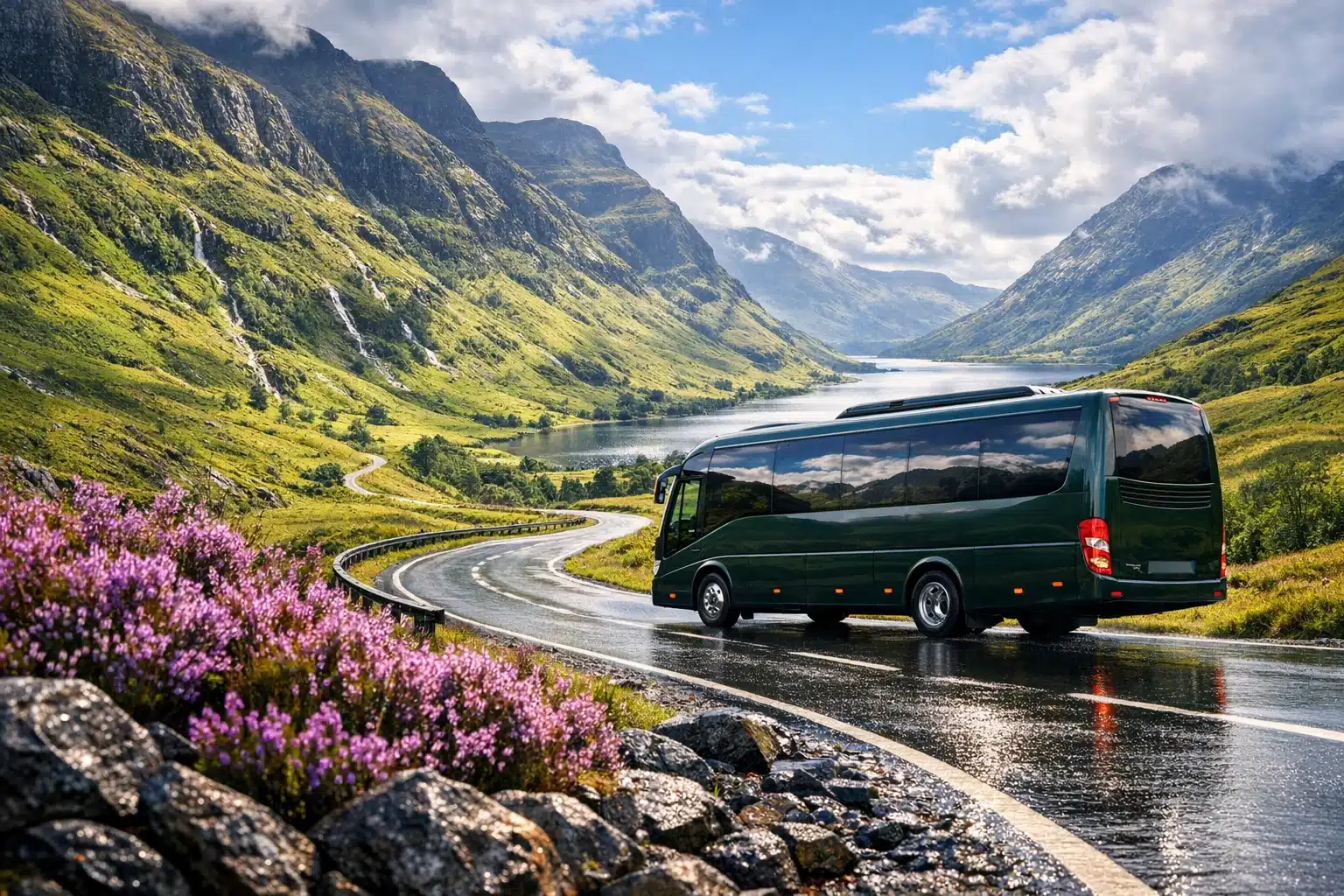
Transport strongly shapes comfort. Large coaches often provide excellent value, predictable seat comfort, and space for luggage. Smaller minibuses tend to feel more personal and can access tighter roads more easily, though luggage limits may be stricter. Rail-and-coach hybrids exist too, but they are less common in fully inclusive formats because rail schedules reduce flexibility. In remote areas, door-to-door road transport remains the simplest way to connect viewpoints, villages, and hotels efficiently.
Here are a few elements that often make one package stronger than another:
- Hotel location relative to evening walkability
- Number of included dinners and key entry tickets
- Group size and vehicle type
- Luggage allowance and porterage policy
- Amount of free time versus continuous scheduled stops
Independent travel can absolutely be rewarding, but it also comes with variable hotel rates, city parking costs, one-way car rental fees, and the mental load of constant coordination. In that sense, a solid all-inclusive tour is buying more than rooms and transport; it is buying simplicity. For travelers who value ease, predictability, and a guided framework, that simplicity can be the most meaningful inclusion of all.
Best Time to Go in 2026 and What to Ask Before Booking
Timing changes a Scotland trip more than many first-time visitors expect. The same route can feel brisk and bright in May, festival-packed in August, golden and quieter in September, or starkly atmospheric in late autumn. For 2026 travelers, season will influence daylight, crowd levels, hotel pricing, and even how much of the countryside you can comfortably enjoy from morning to evening. Choosing the right week is therefore not a small detail; it is one of the central decisions in the booking process.
Late spring and early autumn are often the strongest balance for a 7-day escorted tour. In May and June, days are long, hills are green, and many routes feel lively without being as congested as high summer. By June in northern Scotland, daylight can stretch deep into the evening, giving tours more visual payoff even on travel-heavy days. July and August bring the warmest general conditions, though “warm” in Scotland usually means pleasantly mild rather than hot. Edinburgh’s summer daytime highs often sit around the high teens Celsius, while the Highlands can be cooler and more changeable. Those months are popular for good reason, but they also bring fuller hotels, busier roads, and higher prices.
August deserves special mention because Edinburgh’s major festivals reshape the city. The atmosphere is electric, but accommodation costs can rise noticeably and central areas become crowded. If your dream trip includes a calmer capital-city stay, another month may suit you better. September is often excellent for travelers who want softer light, fewer peak-season pressures, and a more relaxed pace. By October, weather becomes less predictable, though the autumn colors in Perthshire and parts of the Highlands can be beautiful.
There are also small seasonal realities that brochures sometimes soften. Midges can be a nuisance in some Highland and west-coast areas from late spring into early autumn, especially on still, damp evenings. Rain is possible in any month. Wind can alter island excursions. In other words, flexible expectations are part of traveling well in Scotland.
Before booking a 2026 package, ask these questions:
- Exactly which meals and entrance fees are included?
- How many hotel changes are there during the week?
- Is there meaningful free time in Edinburgh, Inverness, or on Skye?
- What is the group size range?
- What happens if weather affects a boat trip or island crossing?
- Are airport transfers included or sold separately?
Booking earlier usually gives a better choice of departure dates and room categories, especially for summer travel. If your schedule is fixed around school holidays or festival season, early planning is particularly sensible. Scotland does not need perfect weather to work its magic, but it does reward travelers who match the season to their priorities.
Who These Tours Suit Best and Final Planning Advice for 2026
A 7-day all-inclusive Scotland tour is not for every traveler, and that is exactly why it helps to be honest about what kind of trip you actually enjoy. If you love spontaneous detours, slow mornings in one village, and full control over every meal and museum stop, independent travel may suit you more. On the other hand, if you want to cover a lot of ground without handling every booking yourself, a guided package can be a very sensible choice. The ideal customer is often not someone seeking extravagance, but someone seeking clarity.
These tours tend to work especially well for first-time visitors, solo travelers who want built-in structure, couples who prefer scenery over logistics, and older travelers who would rather not drive long rural routes. They can also suit busy professionals who have exactly one week and want that week to count. Scotland is full of moments that feel lifted from legend, yet legends still require hotel confirmations, meal stops, and a reliable way to get over the next pass before dark. Package tours take care of that invisible scaffolding.
Before you commit, think through your personal travel profile:
- Do you prefer a social group atmosphere or quiet independence?
- Would you rather see more places or spend more time in fewer bases?
- Is walking on uneven ground comfortable for you?
- Do you want whiskey heritage, literary history, dramatic landscapes, or a mix of all three?
- How important are hotel style and city-center access?
Packing wisely also improves the trip more than people expect. Layered clothing, a waterproof outer shell, comfortable walking shoes, and a day bag are more useful than trying to predict a single weather pattern. Even in summer, conditions can shift within hours. A compact umbrella may help in cities, though a hooded jacket is usually better on exposed viewpoints. If the itinerary includes ferry segments or winding roads, motion-sickness remedies are worth considering for travelers who are sensitive.
For the target audience considering 2026 departures, the key message is simple: choose a package based on pacing and inclusions, not just on the number of famous stops in the brochure. A good seven-day tour should leave you informed, comfortable, and pleasantly tired, not overprocessed. When the route is balanced, the guide is strong, and the logistics are clear, Scotland opens in layers: medieval streets, silver lochs, weathered stone, music in a pub, and that unmistakable feeling that the landscape is older than the story you arrived with. If that sounds appealing, an all-inclusive tour can be one of the most efficient and enjoyable ways to experience the country in a single week.