3-Night Cruise from Hull to Amsterdam: Itinerary, Guide, and Highlights
A 3-night cruise from Hull to Amsterdam appeals because it turns a short break into a moving travel experience rather than a rushed dash through airports and stations. You leave Yorkshire behind, settle into a cabin, and wake up on the Dutch side of the North Sea with a major European city within reach. For many travellers, that mix of convenience, novelty, and manageable timing makes the route especially attractive. It suits couples, friends, and first-time cruise passengers who want structure without losing the freedom to explore.
Article Outline
- How the itinerary usually works and what “Hull to Amsterdam” often means in practice
- What to expect onboard, from cabins and dining to entertainment and sea conditions
- How to spend your shore time in Amsterdam efficiently and enjoyably
- Key planning tips covering budget, documents, packing, and seasonal timing
- Who this short cruise suits best, and how to decide whether it matches your travel style
Understanding the Itinerary: What a 3-Night Hull to Amsterdam Cruise Really Looks Like
Before booking, it helps to understand that a “3-night cruise from Hull to Amsterdam” can describe a few different travel formats. In many cases, this is not a traditional deep-sea cruise with multiple destinations and long leisure days at sea. Instead, it is usually a mini-cruise or cruise-ferry style break built around overnight sailings, a day trip or short stay in the Netherlands, and a return crossing. That distinction matters because it shapes your expectations. If you imagine several slow days on a large resort-style ship, you may be surprised. If you expect a compact, efficient getaway with plenty of atmosphere, you are much closer to the truth.
One important detail is that some packages marketed around Amsterdam do not always berth directly in the city center. Depending on the operator, season, and route, the ship may arrive at a nearby Dutch port, with coach or rail transfers taking passengers onward to Amsterdam. This is not a drawback by itself, but it affects how much independent sightseeing time you will have. A journey that sounds like “Hull to Amsterdam” may therefore be better understood as “Hull to the Netherlands with Amsterdam included.” Reading the schedule closely is one of the smartest things a traveller can do.
A typical short itinerary often includes these elements:
- An evening departure from Hull
- One overnight sailing across the North Sea
- Arrival in the Netherlands the next morning
- A transfer or excursion period for Amsterdam sightseeing
- A return sailing that brings you back to Hull on the final day
The 3-night label can also be slightly misleading in the best possible way: it often refers to the total holiday length rather than three long sightseeing days. You may have two nights linked to the ship journey and one additional overnight component within the package structure, depending on the offer. That is why comparing operators is essential.
Compared with flying, this style of trip trades speed for mood. Airports are quicker in pure transit terms, but the cruise format feels more like a holiday from the moment you board. Compared with driving and using the Channel routes farther south, departing from Hull can be especially convenient for travellers in northern England. The result is a break that works well for people who value ease, a touch of maritime romance, and a city experience that fits neatly into a long weekend.
Life Onboard: Cabins, Dining, Entertainment, and the Feel of the Crossing
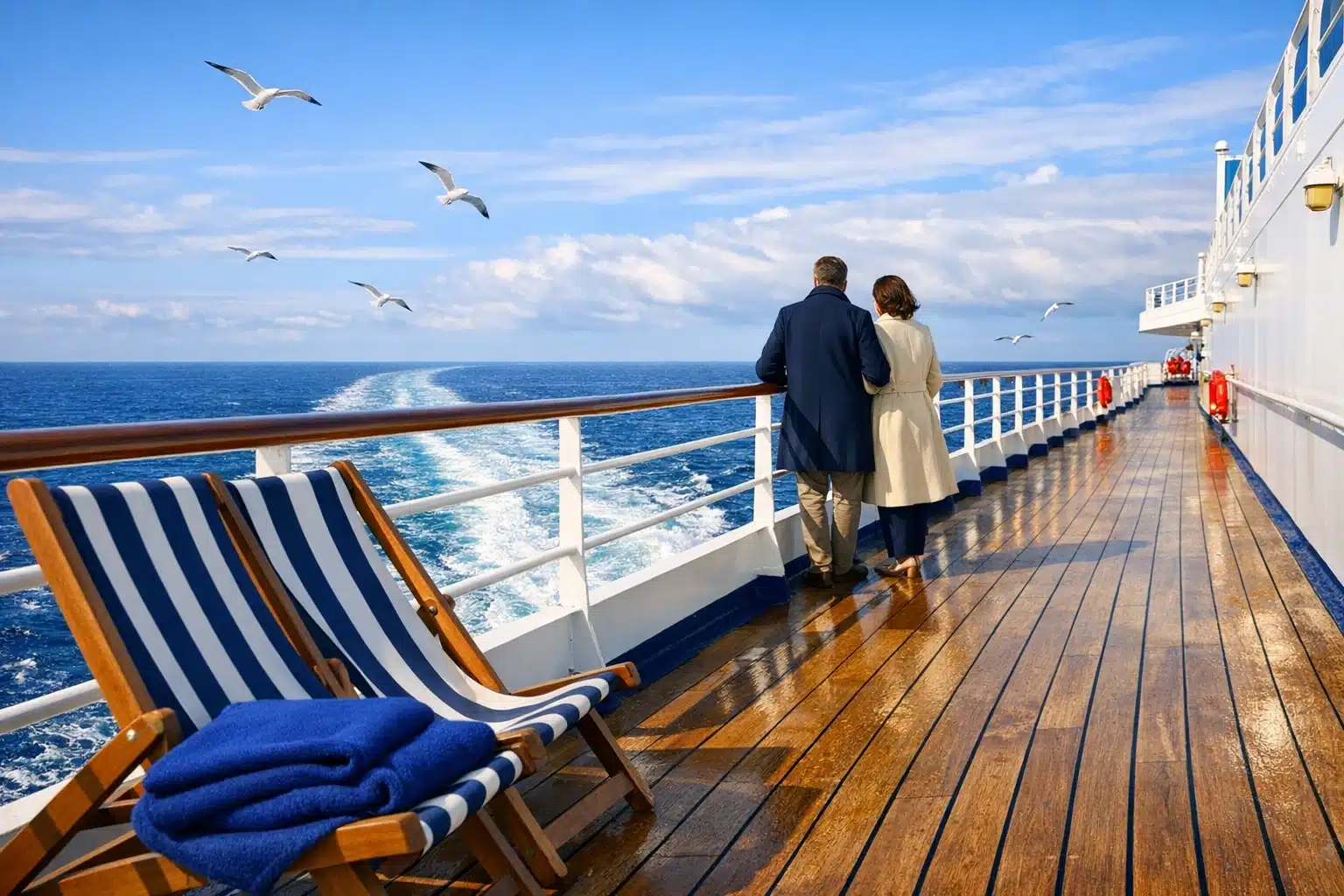
The onboard experience is a central part of this trip, because the ship is not just transportation; it is also where the holiday mood begins. Most mini-cruise vessels on North Sea routes are designed to make a short crossing comfortable and social rather than ultra-luxurious. You can expect practical cabins, several dining options, lounges, bars, and some evening entertainment. The atmosphere tends to feel lively without becoming overly formal. People board, unpack, walk the decks, watch the port fade into evening light, and settle into that satisfying moment when daily routines are left on shore.
Cabin choice makes a bigger difference than many first-time bookers expect. An inside cabin is often the most economical option and can be perfectly adequate for a short break, especially if you mainly use it for sleeping and showering. A sea-view cabin, however, adds something emotional to the crossing. Looking out at dawn over the North Sea is one of those simple travel pleasures that can make a compact trip feel richer. If you are prone to feeling enclosed, the upgrade may be worth it.
Here is a practical way to think about cabin types:
- Inside cabin: best for budget-focused travellers who plan to spend little waking time in the room
- Sea-view cabin: better for passengers who value natural light and a stronger sense of place
- Premium or upgraded options: useful for special occasions, more space, or a quieter experience
Dining is usually varied enough to suit most travellers, though it is wise to check whether meals are included or sold separately depending on fare type. Buffet dining is common because it suits short departures and early arrivals, while sit-down restaurants may be available for those who want a slower evening meal. Bars and lounges often form the social heart of the ship, and some crossings include live music, quizzes, or casual stage entertainment. This is less about polished spectacle and more about easy-going enjoyment.
Sea conditions deserve an honest mention. The North Sea can be smooth, but it can also be lively, especially outside the calmer parts of the year. If you are sensitive to motion, choose a midship cabin on a lower deck if available, avoid overeating before departure, and consider travel sickness remedies. That sounds practical rather than glamorous, but it can make a real difference. A comfortable crossing lets you arrive rested and ready for Amsterdam instead of spending your city time recovering. In short, the ship works best when you treat it as part of the holiday, not just the bridge between two points on a map.
Amsterdam Ashore: How to Use Limited Time Well and See More Than the Postcards
For many travellers, Amsterdam is the bright centerpiece of the trip, and the challenge is simple: how do you enjoy a city with world-class museums, canal views, historic districts, and excellent cafés when your time is limited? The answer is not to race everywhere. A short visit works best when it is shaped around one clear idea of the city rather than a frantic attempt to “do Amsterdam” in full. Think in neighborhoods, not in a giant checklist.
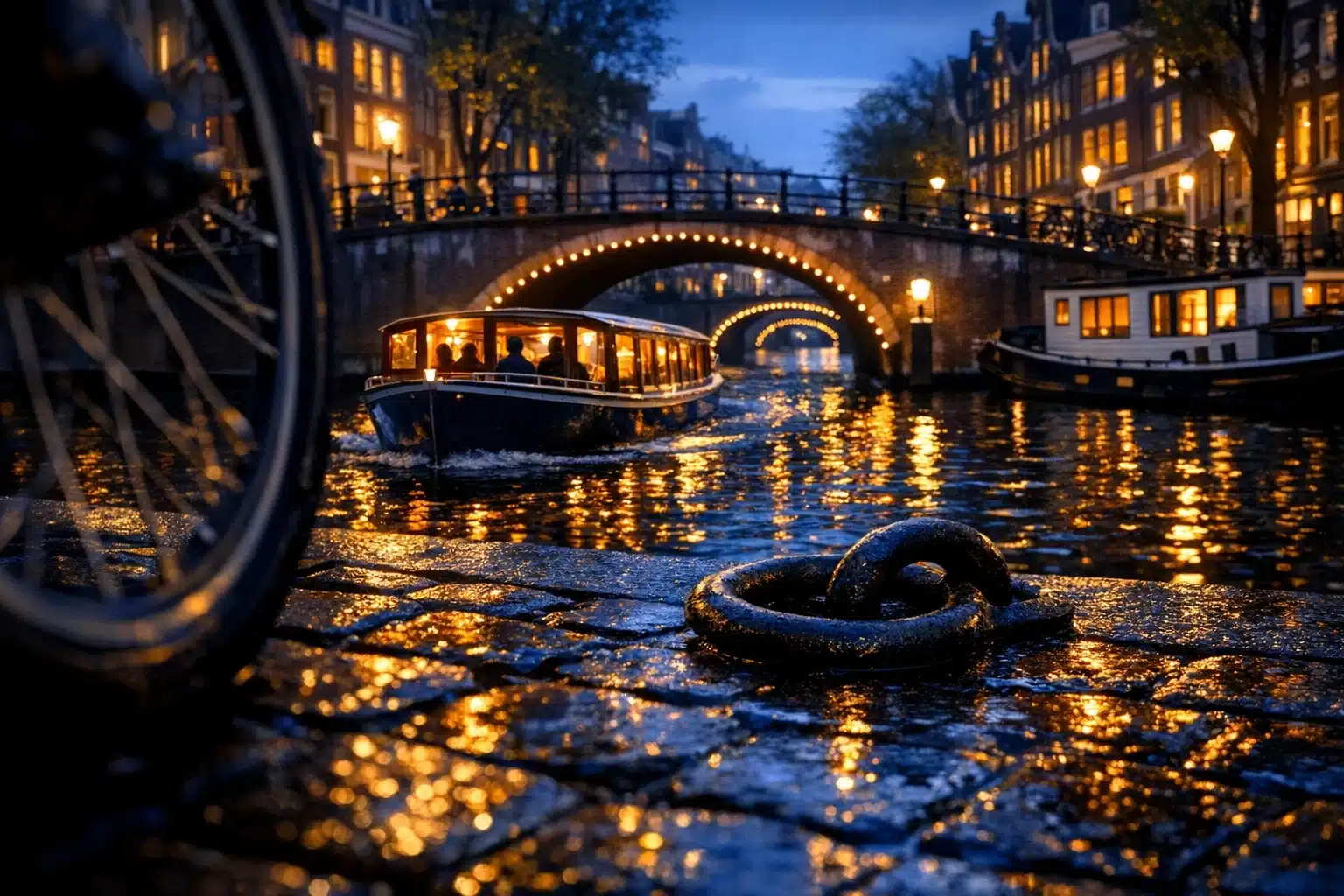
The historic canal belt is the natural place to start. Amsterdam’s concentric waterways and narrow canal houses create the city’s most recognisable image, but the appeal is deeper than appearance. This district reflects centuries of commercial history, urban planning, and architectural adaptation in a city built around water. Even a relaxed walk here can teach you something about how Amsterdam grew from a trading center into a global cultural destination. The visual rhythm of bridges, bicycles, brick façades, and houseboats gives the city its particular pulse.
If your interests lean toward major cultural sites, Museumplein is the obvious anchor. The Rijksmuseum offers Dutch masters and national history on a grand scale, while the Van Gogh Museum provides a more focused artistic journey. The Anne Frank House is one of the city’s most powerful visits, but it often requires advance booking and should never be left to chance. In a short stop, ticket strategy is not a minor detail; it can define whether your day feels smooth or disappointing.
Travellers generally do best with one of these approaches:
- Culture-first day: pre-book one major museum, then explore nearby streets and cafés at a calm pace
- Scenic day: focus on canals, Jordaan, the Nine Streets, and a canal cruise for an easy introduction
- Landmark sampler: combine Dam Square, a museum visit, canal views, and local food in one varied route
Compared with guided excursions, independent exploring offers more freedom and often a more personal sense of discovery. You can linger in a bookstore, step into a bakery, or spend twenty minutes watching bicycles stream across a bridge with no timetable pressing at your shoulder. On the other hand, guided transfers are useful when port logistics are tight, especially if the ship docks outside the city. They reduce uncertainty and help protect your return timing.
A good Amsterdam visit is rarely the one with the highest attraction count. It is the one where the city has room to breathe. A canal-side coffee, the bell of a passing tram, the soft tilt of old houses, and a museum visit chosen with care can leave a stronger memory than six rushed stops. On a short cruise, that balance between structure and spontaneity is the real highlight.
Planning Smart: Budget, Booking, Packing, Documents, and Seasonal Choices
A short cruise can look wonderfully straightforward in advertisements, but the actual cost and comfort of the trip depend on the details. The base fare is only the starting point. Once cabin upgrades, meals, drinks, transfers, attraction tickets, and optional excursions are added, the total can change noticeably. That does not mean the trip becomes poor value; it simply means you should price it as a complete package rather than focusing on the headline number alone.
When comparing deals, ask what is included and what is not. Some travellers assume breakfast, transfers, and entertainment will all be bundled into the same fare, yet this can vary by operator and promotion. If Amsterdam time is limited, pre-booked museum entry can be far more valuable than a small discount on the cabin. Value is not only about spending less; it is about spending in a way that protects the experience you actually want.
A useful planning checklist includes:
- Cabin type and whether the upgrade changes comfort enough to justify the cost
- Included meals versus pay-as-you-go dining
- Transfer arrangements between the Dutch port and Amsterdam
- Attraction tickets that need advance reservation
- Passport validity and any nationality-specific entry requirements
- Travel insurance that covers short breaks and sea crossings
Packing for this route is fairly easy, but a few choices matter. Bring comfortable walking shoes, a light waterproof layer, and clothing that works for both ship interiors and city streets. Even in warmer months, the North Sea breeze can feel cooler than expected. In colder seasons, wind and rain can shape your day ashore more than temperature alone. A small day bag is useful if you are transferring into Amsterdam and do not want to manage bulky luggage while sightseeing.
Season also changes the character of the trip. Spring usually brings longer daylight and pleasant walking weather, which suits first-time visitors hoping to see the city at its most inviting. Summer can feel lively and bright, though also busier. Autumn often adds mood and fewer crowds, while winter can be atmospheric in a completely different way, with festive lights and sharper air. The trade-off is that winter crossings may feel rougher and daylight is shorter, so outdoor wandering time is reduced.
Finally, book with the mindset of a short-break strategist. Because time is limited, small inefficiencies matter more than they would on a week-long holiday. A late museum booking, a vague transfer plan, or an ill-chosen cabin can affect a large percentage of the trip. Thoughtful planning does not remove spontaneity; it creates space for it. Once the essentials are secured, you can enjoy the crossing and the city with far less friction.
Who This Cruise Is Best For: Final Thoughts for Short-Break Travellers
A 3-night cruise from Hull to Amsterdam works best for travellers who want a short holiday with a clear framework. It is especially appealing if you enjoy the idea of the journey being part of the pleasure. The ship, the evening departure, the sense of crossing into another country overnight, and the compact city break all combine into a travel rhythm that feels distinct from ordinary weekend planning. For many people, that rhythm is the real selling point.
This type of trip suits several audiences particularly well. Couples often enjoy it as an easy escape that feels more special than a standard hotel weekend. Friends can use it as a social break with built-in evenings onboard and a day ashore that can be active or relaxed. First-time cruise passengers may also find it a low-commitment way to test whether they like travelling by sea without booking a long voyage. Travellers based in northern England, or anywhere within practical reach of Hull, may find the departure point far easier than heading to airports farther away.
It may be less suitable for people who dislike fixed schedules, want several full days in one destination, or are very sensitive to rough water. If your ideal Amsterdam trip involves slow mornings, multiple museum visits, and long hours in each neighborhood, a longer city stay would probably suit you better. Likewise, if you want a large-scale resort ship with endless facilities, a mini-cruise can feel more modest than expected. There is nothing wrong with that; it simply means matching the product to the traveller.
For the right person, though, this route has genuine charm. It offers a pleasing contrast between the contained world of the ship and the open texture of Amsterdam’s streets. One day you are watching the sea darken from the deck; the next you are beside a canal, hearing bicycles click over stone and water. Few short breaks manage that shift so neatly.
In summary, this is a strong option for travellers who value convenience, atmosphere, and a manageable slice of Europe without the complexity of a long itinerary. Read the schedule carefully, understand the transfer arrangements, choose your cabin with intention, and plan your Amsterdam hours around what matters most to you. Do that, and a short sailing from Hull can become far more than a quick getaway. It can feel like a small but complete journey, with enough movement, character, and contrast to stay in the memory long after you are back home.